Heart Attack vs. Cardiac Arrest: Spotting the Difference
The terms “heart attack” and “cardiac arrest” are often used interchangeably, but they describe very different medical emergencies. Both involve the heart and can be life-threatening, yet their causes, symptoms, and treatments differ significantly. Recognizing the distinction is crucial for effective response. Acting quickly in either situation can save lives, but knowing which emergency you are dealing with determines what steps should be taken.
What Is a Heart Attack?
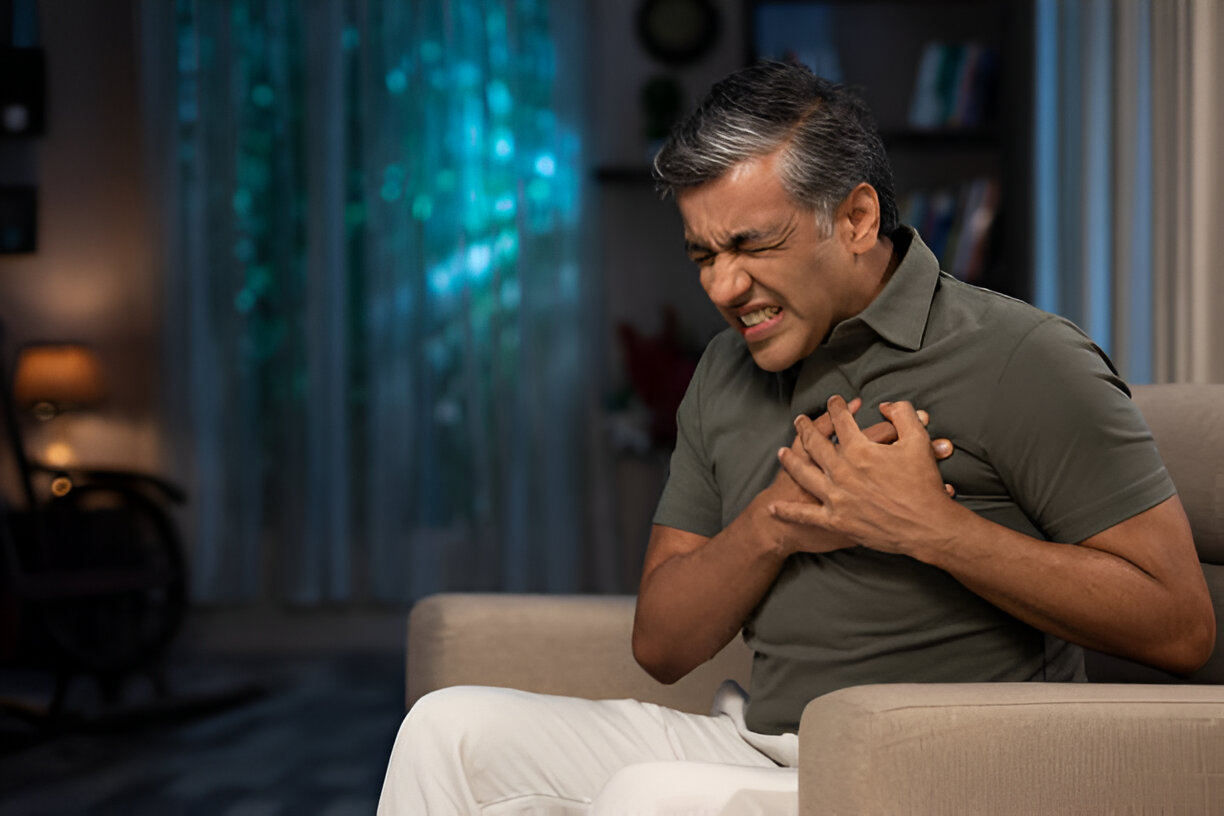
A heart attack, or myocardial infarction, occurs when blood flow to a part of the heart is blocked, often due to a blood clot in a coronary artery. Without oxygen, the affected heart muscle begins to die. Symptoms may develop gradually and can include:
- Chest pain or pressure, often spreading to the arm, jaw, or back.
- Shortness of breath.
- Nausea, dizziness, or sweating.
- A sense of anxiety or impending doom.
Heart attacks do not always cause sudden collapse. Many victims remain conscious and able to seek help, which is why recognizing the early warning signs is critical. Immediate medical attention can minimize damage and improve recovery outcomes.
What Is Cardiac Arrest?
Cardiac arrest, on the other hand, is when the heart suddenly stops beating effectively due to an electrical malfunction. This halts blood flow to the brain and other organs. Unlike a heart attack, cardiac arrest often occurs without warning and leads to collapse within seconds. Symptoms include:
- Sudden loss of responsiveness.
- No pulse or normal breathing.
- Collapse and unconsciousness.
Without immediate intervention—typically CPR and defibrillation—cardiac arrest is fatal within minutes.
How They Are Connected
Though different, heart attacks and cardiac arrests are linked. A heart attack can sometimes trigger cardiac arrest, especially if the heart’s electrical system becomes unstable. However, cardiac arrest can also result from other causes such as trauma, drowning, or inherited heart conditions. Understanding their relationship helps clarify why both are serious but distinct medical crises.
First Aid for Heart Attacks
If someone shows signs of a heart attack:
- Call emergency services immediately.
- Have the person sit down and remain calm.
- Loosen tight clothing to ease breathing.
- If available and advised, help them take aspirin to reduce clotting.
- Be prepared to provide CPR if the person loses responsiveness.
Timely action often prevents cardiac arrest and reduces long-term heart damage.
First Aid for Cardiac Arrest
When cardiac arrest occurs:
- Call emergency services immediately.
- Begin CPR without delay—push hard and fast in the center of the chest.
- Use an Automated External Defibrillator (AED) if one is available.
- Continue CPR until professional help arrives or the person begins breathing normally.
Every minute without CPR reduces survival chances significantly, which is why widespread training is vital. Programs like cpr certification ensure individuals are prepared to respond with confidence during these high-stakes emergencies.
Why Early Recognition Matters
Quick recognition is often the deciding factor in outcomes. A heart attack that receives rapid treatment may never progress to cardiac arrest, while cardiac arrest without immediate CPR almost always proves fatal. Teaching both the general public and workplaces how to identify these emergencies creates safer environments and increases survival rates.
Dispelling Common Myths
Many people mistakenly believe that heart attacks always cause collapse or that CPR can restart a heart like in movies. In reality, heart attacks may have subtle symptoms, and CPR does not restart the heart—it simply keeps blood circulating until defibrillation or medical care can restore normal rhythm. Dispelling these myths during training builds realistic expectations and encourages prompt, appropriate action.
The Importance of Training
Training is not just about learning a checklist of steps—it builds confidence to act under pressure. Courses covering both CPR and first aid ensure participants know how to recognize symptoms, respond effectively, and use AEDs without hesitation. This preparation reduces panic, giving responders the ability to remain calm during emergencies.
Community and Workplace Readiness
Communities and organizations that prioritize CPR and first aid training foster resilience. Schools, offices, gyms, and public spaces become safer when more people know how to intervene. Emergency drills and awareness campaigns further reinforce readiness. By spreading knowledge widely, survival rates improve and fewer families suffer the devastating loss of a loved one to preventable delays.
Conclusion
While heart attacks and cardiac arrests both involve the heart, they are very different emergencies. Heart attacks are caused by blocked blood flow, while cardiac arrests are sudden electrical malfunctions that stop the heart entirely. Both require immediate action, but the type of response depends on the situation. Recognizing the warning signs and responding quickly can save lives.
Preparedness comes from awareness and practice. By learning the difference and gaining hands-on experience through structured training, individuals gain the confidence to act decisively. Emergencies are unpredictable, but with widespread education, we can ensure more people are ready to respond when every second matters.