From Benches to Bike Paths: What Every Great Community Park Needs
A well-designed community park is much more than a patch of green space — it’s the heartbeat of a neighborhood, where people gather, relax, exercise, and connect. Parks play a vital role in enhancing quality of life, promoting physical activity, and strengthening community bonds. Whether you’re planning a new park or upgrading an existing one, thoughtful design and smart additions can transform it into a vibrant and welcoming space for all ages. Here’s what every great community park needs to truly thrive.
1. Comfortable Seating and Shaded Rest Areas
Benches may seem like a simple addition, but they’re essential. They offer a place for parents to watch their children play, for friends to chat, or for anyone to pause and enjoy the outdoors. To make seating areas even more inviting, include options like picnic tables, swings, and shaded gazebos. Shade is especially important in sunny climates—trees, pergolas, or canopies provide relief from the heat and encourage longer visits. Placing benches along pathways or near scenic views also adds charm while promoting accessibility and rest for all visitors.
2. Safe and Accessible Walking Paths
Well-laid walking paths form the backbone of any community park. They should be wide enough for both pedestrians and strollers, made of slip-resistant materials, and designed to connect key areas such as playgrounds, gardens, and sports zones. Consider incorporating loops of different lengths to accommodate casual walkers and serious joggers alike. Accessibility should be a top priority—smooth surfaces, ramps, and clear signage ensure that everyone, including those with mobility challenges, can enjoy the park fully.
3. Bike Paths and Active Recreation Zones
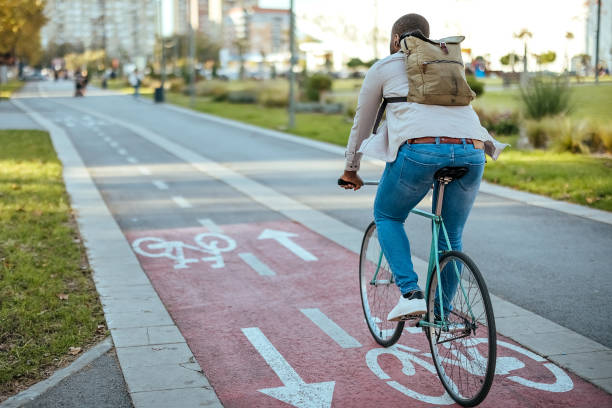
In today’s health-conscious world, parks are hubs for active living. Dedicated bike paths encourage fitness while keeping cyclists safe from pedestrian traffic. If space allows, consider adding a small skate park, outdoor fitness equipment, or courts for basketball, tennis, or pickleball. These elements attract a wide range of users—from teens to adults—and create a lively, energetic atmosphere. For families, open fields or multi-use lawns offer flexibility for casual sports, yoga classes, or community events.
4. Engaging Play Areas for Children
A community park simply isn’t complete without a fun, safe, and engaging play space for children. Today’s modern playgrounds go far beyond the traditional swings and slides—they feature custom designs that incorporate climbing structures, sensory play areas, and interactive panels that spark imagination and movement. In Montana, custom playgrounds are becoming increasingly popular, blending innovative equipment with natural materials to reflect the state’s rugged beauty and outdoor spirit.
Safety and comfort remain top priorities, with soft flooring, secure fencing, and shaded areas that let families relax and play comfortably. To ensure inclusivity, it’s essential to include accessible play equipment that invites children of all abilities to join in the fun. Adding natural play elements like boulders, logs, or sand pits can further inspire creativity, exploration, and a stronger connection with nature—capturing the adventurous essence that makes Montana’s parks so special.
5. Greenery, Gardens, and Natural Spaces
Lush landscapes are what give parks their soul. Trees provide shade and cleaner air, while flower beds and native plants attract pollinators and beautify the environment. Consider dedicating an area for a community garden where residents can grow vegetables or herbs—it’s a fantastic way to encourage sustainable living and neighborly collaboration. If space permits, include a pond, butterfly garden, or wildflower meadow to promote biodiversity and offer educational opportunities for local schools or families.
6. Lighting, Safety, and Accessibility Features
Safety is a crucial aspect of any public space. Well-placed lighting along pathways, parking lots, and activity areas helps visitors feel secure, especially in the evening. Clearly marked emergency contact stations and visible signage enhance peace of mind. Accessibility should extend to all park features—from wheelchair-accessible restrooms and picnic tables to tactile pathways for the visually impaired. A truly great park is one where everyone feels welcome and safe, no matter their age or ability.
7. Gathering Spaces and Community Amenities
Community parks are natural gathering spots, so having designated social spaces makes a big difference. Pavilions, amphitheaters, or open-air stages are perfect for concerts, movie nights, and local festivals. Picnic areas with grills encourage family outings and weekend barbecues. Adding amenities like drinking fountains, restrooms, and trash bins ensures comfort and cleanliness for all. For dog-friendly neighborhoods, a fenced dog park area can also become a popular social hub for pet owners.
8. Sustainability and Smart Design
Modern parks are increasingly embracing eco-friendly practices. Solar-powered lights, recycled materials for benches, and drought-tolerant plants help reduce maintenance costs and environmental impact. Incorporating rain gardens or permeable pavements improves water drainage and prevents flooding. Even small green initiatives—like composting bins or educational signage about local wildlife—can inspire visitors to care for their environment.
Creating a Space for Everyone
A great community park doesn’t just look good—it feels good. It’s a place where children laugh on the playground, joggers find their rhythm, seniors enjoy peaceful walks, and families share picnics under shady trees. Every feature, from benches to bike paths, contributes to building a stronger, more connected community.
By combining functionality, inclusivity, and natural beauty, you can create a park that not only enhances the landscape but also enriches the lives of everyone who visits. After all, a well-designed park isn’t just a place—it’s a shared experience that brings people together.