Key Considerations for Businesses Transitioning Their Fleet to Electric Vehicles
Assessing Current Fleet Operations
Successful electrification starts with a clear understanding of your current operations. Look closely at your fleet’s fuel usage, service records, maintenance costs, and daily utilization. This includes tracking mileages, idling times, peak operational hours, and identifying which vehicles are nearing the end of life. This data can reveal patterns pointing to areas where electric vehicles (EVs) can add the most value and uncover hidden inefficiencies. For example, vehicles on predictable urban delivery routes may be ideal initial EV candidates, while long-haul trucks might pose range challenges with current technology.
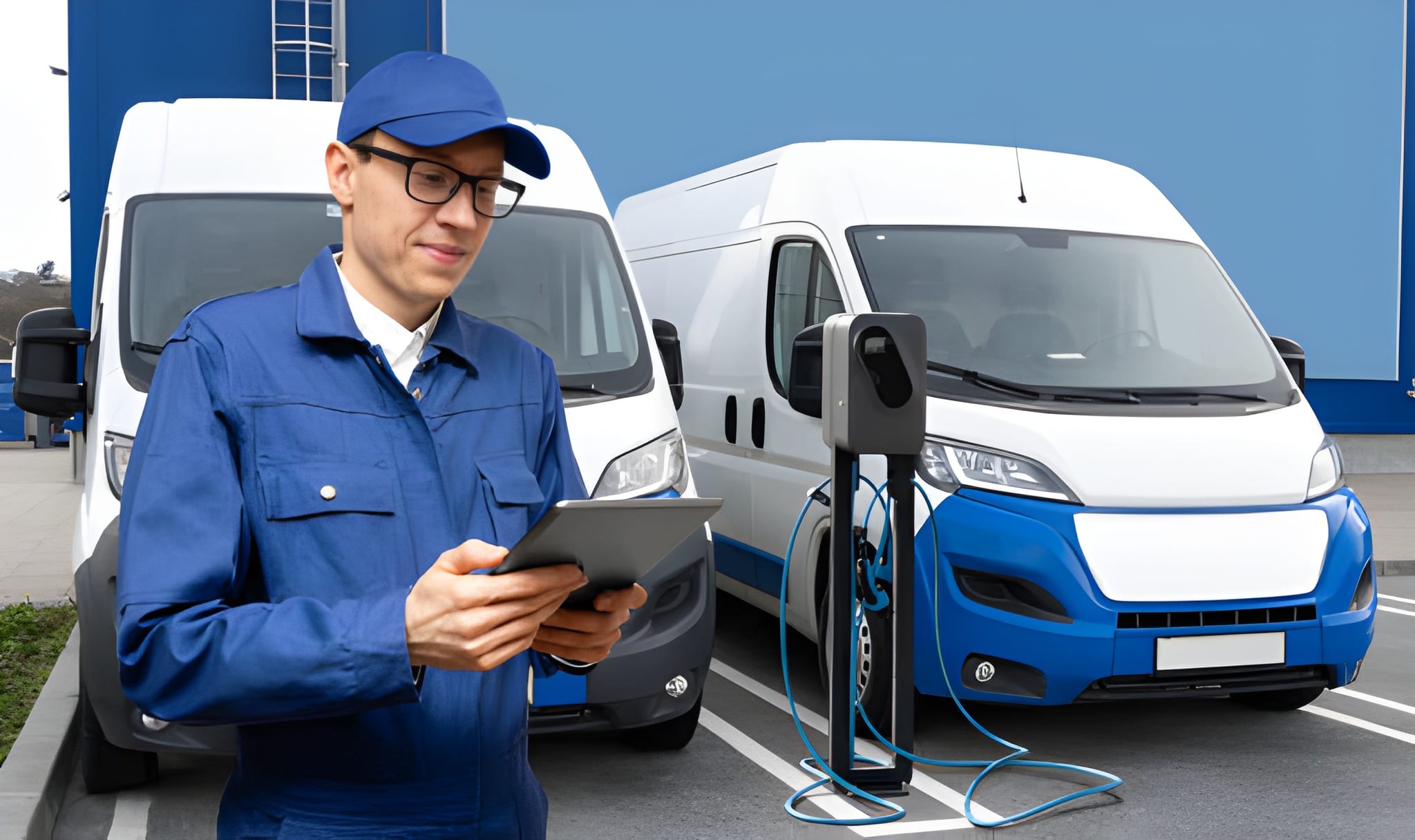
Evaluating these operational details also sets the foundation for sizing your EV investment. Some vehicle segments or routes may benefit more from electrification, while others may need to remain conventional until further technological improvements arrive. Segmenting your fleet based on daily mileage, payload capacity, and downtime windows allows you to maximize early returns on your investment. To support this transition, consider exploring EV fleet charging solutions that offer scalable and customizable charging infrastructure for different fleet types and deployment sizes. Mapping current routes, schedules, and fleet turnover also helps streamline the transition process and assess the need for new technology integration.
Understanding Vehicle Range and Charging Infrastructure
The range capabilities of electric vehicles have improved significantly, but businesses must still align EV options with their unique duty cycles. Identify typical route distances and daily schedules for each vehicle segment, ranging from last-mile delivery vans to long-haul trucks, and cross-reference this with the battery ranges of available EV models. Consider seasonal weather, elevation changes, and cargo loads, as these factors can affect real-world range. Consider flexibility for unexpected trips or extended shifts to ensure vehicles aren’t sidelined due to range limits. Planning for peak and emergency usage is also essential—having extra charging capacity or mobile chargers could become part of your backup plan.
After determining vehicle requirements, the focus shifts to charging infrastructure. Site assessments will help identify optimal charger locations, considering utility access, vehicle parking patterns, and the electrical load needed for the fleet’s daily operations. Businesses should consider different types of charging—Level 2 for overnight and Level 3 (DC fast charging) for quick turnarounds—and possibly integrating renewable energy sources if available. Partnering with your local utility early in the process can ease permitting and grid connection challenges, prevent costly delays, and help forecast future energy needs as your fleet grows.
Evaluating Total Cost of Ownership
One of the most attractive benefits of fleet electrification is the potential reduction in overall ownership costs. Despite a higher upfront purchase price for EVs, businesses can typically realize lower operating expenses over time, thanks to reduced energy costs, fewer maintenance needs, and possible depreciation advantages. Charging with electricity is often far less expensive than fueling with gasoline or diesel—especially if your operations can leverage off-peak utility rates or on-site renewables.
Regular maintenance—such as oil changes and brake replacements—becomes less frequent, helping businesses redirect resources. Over the vehicle lifecycle, these savings can be substantial, especially for high-mileage fleets that experience significant wear and tear. In addition, numerous governments provide financial incentives or credits to support commercial fleet electrification, improving business case calculations. Evaluating Total Cost of Ownership (TCO) analysis tools from commercial fleet management providers and independent organizations alike will help your business make data-driven decisions about which vehicles to electrify and when. Comparing maintenance, energy, downtime, and depreciation expenses side by side enables a transparent view of long-term savings potential.
Exploring Financial Incentives and Grants
Public and private sector support for EV fleet adoption is growing, with many federal, state, and local programs offering grants, rebates, and tax incentives. These programs are often time-limited or allocated on a first-come basis, making early research essential. For instance, the federal commercial clean vehicle credit can substantially offset eligible purchase and installation costs, enhancing your ROI. Some utilities also offer custom rebates for installing commercial charging infrastructure, which further sweetens the financial proposition.
To identify the incentives that maximize your savings, consult industry-leading publications like Forbes, which regularly outlines current offerings and eligibility criteria. Local government and utility partner portals may also maintain up-to-date directories for relevant programs. Collaborating with grants specialists or fleet consultant services can also help uncover lesser-known funding streams and provide assistance with the often-complex application process, reducing administrative barriers to fleet electrification.
Training and Engaging Staff
Any successful technology transition depends on engaging and empowering the people behind your fleet. Provide comprehensive EV training for drivers, fleet managers, and maintenance teams early in the implementation phase. Training should focus on vehicle basics, like charging protocols and regenerative braking, as well as best safety practices and troubleshooting. With the right preparation, staff can avoid costly errors, work more safely, and optimize driving behavior for better vehicle efficiency. Equipping your team with new skills makes for a smoother transition and maximizes the value from each vehicle investment.
Encouraging feedback and open communication throughout the process will increase staff buy-in. Employee-driven suggestions can lead to workflow improvements and uncover user challenges that may be overlooked during planning. Creating forums for driver feedback or incentive programs for efficient driving can foster a culture of continuous improvement and shared ownership in the success of the electrification strategy.
Planning for Maintenance and Support
While electric vehicles are simpler to maintain than internal combustion models, a reliable maintenance plan remains essential. Develop relationships with local EV-certified maintenance providers, or consider in-house training for your team. Many EV components require less frequent service, but specialized electrical diagnostics and periodic battery health checks must be managed proactively. As vehicle software updates and diagnostics become more sophisticated, a proactive maintenance and support approach ensures minimal downtime and extends the operational life of your fleet. Several large cities, such as Los Angeles, are already setting benchmarks for municipal EV fleet maintenance frameworks, providing examples for private fleets to follow and adapt to local requirements.
Monitoring and Analyzing Performance
Telematics and advanced fleet management software provide real-time insights into energy usage, vehicle location, maintenance status, and charging patterns. Leveraging these tools allows businesses to optimize energy consumption, reduce idle times, and track cost savings while delivering detailed reports to stakeholders. Additionally, these analytics provide early warnings of emerging issues, enable route optimization, and deliver benchmarks for future improvements. These performance analytics can form the backbone of sustainability reporting and sharpen future decision-making as your fleet evolves, helping to validate ROI and enhance operational strategies at each stage of your electrification journey.
Staying Informed on Industry Developments
The electric vehicle market is evolving rapidly with continuous improvements in battery performance, charging speed, and fleet-specific models. Stay informed through trusted industry channels, such as regular updates from the Wall Street Journal or automotive trade groups, to keep your business ahead of the curve. Government policy, automaker incentives, charging technology, and energy market developments can directly impact your fleet’s efficiency and costs. Remaining agile in your approach—and ready to adopt new solutions as they emerge—will position your fleet for long-term success.
With careful assessment, strategic planning, and a forward-thinking mindset, businesses can turn electric fleet adoption into a core driver of operational efficiency, cost savings, and sustainability leadership. Embracing this shift helps reduce carbon emissions and enhances brand reputation and customer loyalty as stakeholders increasingly prioritize environmental responsibility in business partnerships and supply chains.