Mastering Brand Marketing for Lasting Impact
Marketing a brand effectively requires more than flashy campaigns or catchy slogans—it is a strategic, ongoing effort to communicate value, build trust, and differentiate the organization in a crowded marketplace. Successful brand marketing integrates research, storytelling, analytics, and channel management to create a cohesive presence that resonates with target audiences. Understanding both the art and science of marketing ensures that brands not only attract attention but also foster loyalty and drive measurable outcomes over time.
Defining Brand Identity and Value
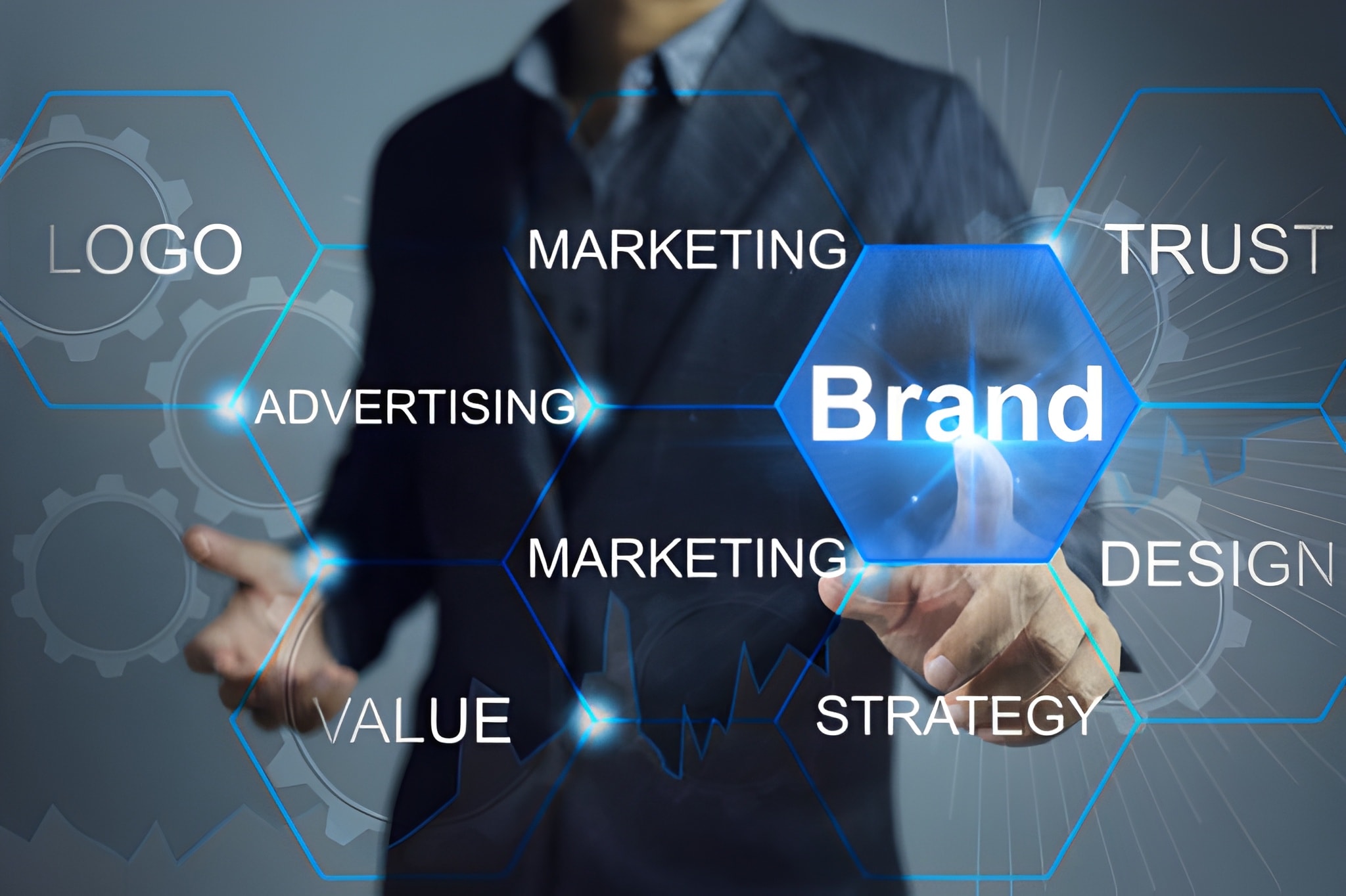
The foundation of any marketing effort is a clear and compelling brand identity. This includes the visual elements of a brand—logos, color palettes, and design language—as well as its voice, messaging, and core values. Equally important is articulating the brand’s unique value proposition: what sets it apart from competitors and why customers should engage. Defining these elements is critical for consistency across all touchpoints, whether in digital campaigns, print materials, or in-person interactions.
Understanding the audience is central to this process. Market research helps identify the preferences, pain points, and behaviors of potential customers. Insights gleaned from surveys, focus groups, and social listening inform messaging strategies that are both relevant and persuasive. By aligning brand identity with audience expectations, organizations create a foundation for communication that is both authentic and compelling.
Crafting Effective Messaging and Content
Once the brand’s identity and value are established, marketers must translate them into messages that resonate across channels. Content marketing plays a pivotal role in this endeavor, providing informative, entertaining, or inspiring material that engages audiences at different stages of the customer journey. From blog posts and videos to social media campaigns and webinars, content should reinforce brand values while delivering tangible insights or solutions.
Storytelling is particularly effective in humanizing a brand. Narratives that showcase customer success, behind-the-scenes processes, or the people driving the company can create emotional connections that elevate brand perception. These connections encourage both engagement and advocacy, amplifying marketing efforts organically. Consistency in tone, style, and messaging ensures that audiences receive a unified brand experience, strengthening recognition and trust.
Optimizing Channels and Campaigns
Effective brand marketing requires careful channel selection and campaign optimization. Not all platforms are suitable for every message, and the impact of each channel can vary depending on audience behavior and preferences. By analyzing performance metrics such as engagement rates, reach, conversions, and customer feedback, marketers can refine distribution strategies to maximize impact while minimizing wasted effort.
Media mix modeling and attribution tools provide valuable insights into channel effectiveness. Understanding the differences in approaches, such as MMM vs MTA, helps organizations decide whether to rely on aggregated historical data or multi-touch attribution for measuring campaign influence. While these tools are not the sole determinants of marketing strategy, they offer clarity on which channels and touchpoints contribute most to overall outcomes, enabling smarter resource allocation.
Measuring Performance and Adjusting Strategy
Data-driven decision-making is essential to sustainable brand marketing. Regularly assessing key performance indicators and tracking the return on marketing investment ensures that campaigns are both efficient and effective. Continuous measurement allows marketers to identify trends, detect underperforming initiatives, and replicate successful tactics.
Equally important is maintaining agility. Consumer preferences and competitive landscapes evolve rapidly, requiring marketers to adjust messaging, explore new channels, and experiment with innovative formats. Brands that embrace iterative improvement are better positioned to maintain relevance, foster engagement, and achieve long-term growth.
Integrating Marketing Across the Organization
Brand marketing is not confined to the marketing department alone—it touches every aspect of an organization. Sales, customer service, product development, and leadership all influence how a brand is perceived. Aligning messaging across departments ensures consistency and reinforces credibility. Employees who understand and embody the brand’s values serve as authentic ambassadors, amplifying marketing efforts through their interactions with customers, partners, and the wider community.
Conclusion: Building a Strong Brand Presence
Mastering brand marketing involves a strategic combination of identity development, audience insight, content creation, channel optimization, and performance measurement. By integrating storytelling, data analysis, and cross-departmental alignment, organizations can cultivate a brand that is recognizable, trusted, and valued. Analytical tools such as media mix modeling, when combined with thoughtful strategy, allow marketers to refine efforts and demonstrate tangible impact. Brands that approach marketing holistically are better equipped to engage audiences, adapt to changing markets, and achieve sustainable growth over time.