Eco-Friendly Materials for Building 12×10 Summer Houses
Thinking about building a summer house that’s good for the planet?
Constructing a 12×10 summer house is a fun project, and if you want to take it one step further, using eco-friendly materials is even better. As over 50% of builders are choosing to use sustainable materials and resources, the eco-friendly wave of construction is only set to increase in popularity.
It’s worth noting that you can achieve this without sacrificing quality, design or budget.
Below we explore:
- Why Eco-Friendly Materials Are Good For Summer Houses
- The Best Sustainable Materials To Consider
- Maximising Your Sustainable Build
Why Consider Eco-Friendly Materials?
Building sustainably isn’t just a fad for those with money to burn. It makes financial and environmental sense to construct with eco-friendly materials. In fact, there has been a 30% increase in sustainable building practices in the last 5 years alone.
Most people don’t realise, however, that sustainable building materials can perform better than traditional materials. They last longer, are more resistant to damage, require less maintenance and lower energy bills over the lifetime of a building. Sustainable materials also offer better indoor air quality, natural temperature control, and a reduced carbon footprint.
Timber
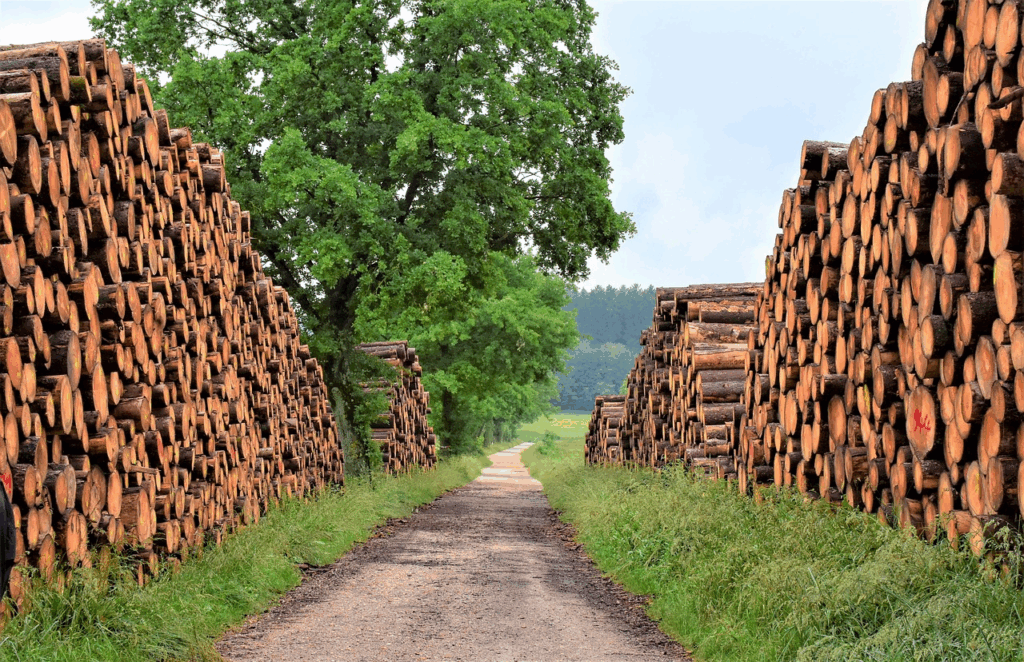
Timber is one of the most popular materials to build summer houses with, for good reason. When timber is sourced responsibly, especially if it’s FSC-certified, it becomes a renewable natural resource and one of the most sustainable building materials. Every cubic metre of timber used in construction retains 1 tonne of CO2.
Timber is a great choice for 12×10 summer houses in particular as it has many advantages. It naturally provides insulation, keeping your structure comfortable year round. It’s lightweight but extremely strong, making it easy to work with for garden structures. Timber’s carbon footprint is much lower than concrete or steel, during production and use.
Things to note about FSC-certified timber:
- Trees are replanted after being cut down
- Wildlife habitats are protected in production
- No harmful chemicals are used to treat the timber
- It provides sustainable forestry communities with employment
You also want to look for locally sourced timber as this keeps transportation emissions low. Engineered wood products like laminated veneer lumber are excellent for sustainability as they use smaller, faster growing trees and produce less waste.
Bamboo
One of the most under-rated building materials out there is bamboo. Bamboo is a rapidly renewable resource that grows back to its full size in just 3-5 years. In contrast, hardwoods that are traditionally used in building can take up to 100 years to grow.
Bamboo has an excellent strength to weight ratio, making it incredibly strong compared to its weight. In fact, bamboo is stronger than steel when you measure it by its tensile strength. Bamboo works well for flooring, wall panels and even structural framing in smaller buildings.
Bamboo has natural resistance to moisture and pests, making it an ideal material for garden structures. Bamboo also regenerates naturally from its own root system after harvesting, meaning that it doesn’t need to be replanted.
Fun fact: Bamboo is incredibly versatile as a building material. You can use it for decking, cladding or interior finishes. Bamboo has a natural beauty that gives a warmth and character that you just can’t get from synthetic materials.
Recycled & Reclaimed Materials
There’s no better character in materials than reclaimed options. Salvaged wood from old barns or industrial buildings gives a summer house a history and individuality while keeping these materials out of landfill. Reclaimed wood is just as strong as new timber, often stronger as it’s often sourced from slow growth forests.
Recycled metals, particularly steel and aluminium, are another great sustainable building material. Metals can be recycled infinitely with no loss of quality. Recycling steel for structural components in a building means less mining and natural resource consumption.
Benefits of reclaimed & recycled materials:
- Saves on demand for new materials
- Saves energy in material production
- Gives your build instant character and charm
- It’s often cheaper to buy reclaimed from local salvage yards
You can use reclaimed wood for flooring or ceiling beams. Recycled metal roofing or frame materials work well too.
Natural Insulation Materials
Insulation isn’t glamorous, but it’s essential for making a build comfortable to use. Natural insulation options perform exceptionally well and are a much better choice than chemical-laden synthetic materials.
Wool insulation is a brilliant eco-friendly choice, made from the fibres in sheep’s wool. It naturally regulates moisture, has excellent thermal resistance and is completely non-toxic. Hemp insulation is another great choice, made from the woody inner core of the hemp plant. It’s breathable, resistant to mould and also performs extremely well at temperature regulation.
Cork insulation offers natural fire resistance and soundproofing as well as thermal properties. It’s harvested from the bark of the cork oak tree and the trees aren’t damaged in the process. Cork oaks will continue to produce cork for up to 200 years.
These materials may be slightly more expensive to buy than synthetic alternatives, but they’ll last longer and perform better.
Sustainable Roofing Solutions
Summer houses need durable, weatherproof roofs, and when possible, roofs that are as sustainable as the rest of the build. There are some great options available.
Recycled metal roofing is one of the most sustainable materials available. Made from recycled steel or aluminium, these roofing materials last 50+ years with minimal maintenance. They reflect heat naturally and are 100% recyclable at the end of their life.
Living roofs take the concept of sustainability to the next level. A living roof is essentially a built-in garden on top of a structure. These roofs provide natural insulation, absorb rainwater, and create a habitat for wildlife. Living roofs can reduce heat absorption by up to 50% and they look amazing. Composite shingles made from recycled materials are another great roofing choice with better sustainability credentials than traditional roofing.
Low VOC Finishes & Energy Efficient Features
As important as the structure of your build is, the finishes you choose when completing a build are just as significant for sustainability. Conventional paints release volatile organic compounds (VOCs) that are damaging to the environment and your health. Low-VOC and natural paints are a much better alternative, using natural ingredients, pigments and oils.
Energy Star rated windows are a better choice for insulation than conventional windows. They reduce heat transfer, keeping your summer house comfortable without relying on artificial climate control. Timber-framed windows sourced from sustainable forests look great and are environmentally responsible. Timber windows can be refinished many times over their lifetime too.
Making Your Build Last
Sustainability isn’t just about using the right materials. Building to last is just as important as the materials that you use. The most sustainable 12×10 summer house is one that lasts for years without needing replacement.
Proper construction methods help to ensure that sustainable materials are working at their best. Use appropriate fixings for each type of material and ensure that there is adequate ventilation throughout your build. Protect timber elements from ground contact and from water ingress. Regular maintenance helps keep your summer house in good condition. Natural finishes will need reapplication every few years to ensure wood is still protected. Gutters and drainage systems need cleaning to ensure that water doesn’t become a problem. A living roof will need weeding and plant management but the work involved is minimal for the benefits they provide.
Bringing It All Together
Building a 12×10 summer house sustainably doesn’t mean you have to compromise on quality, design or budget. Eco-friendly materials allow buildings to be better for the environment, healthier for people and often more cost effective in the long term.
Your base material should be sustainably sourced timber. Add bamboo elements to this for durability and character. Look to reclaimed materials for character and efficiency. Choose natural insulation options for comfort and air quality. Select sustainable roofing solutions that suit your climate and design.
Sustainability is all about material choice. The key to success? Prioritise materials that serve multiple purposes – durability, sustainability and performance. Summer houses built this way are ones that can be enjoyed for years while making sustainable choices.