Top Benefits of Fat Tire Bikes When Riding on Ice, Snow, and Slippery Surfaces
Here’s something most cyclists don’t realize: winter doesn’t signal the end of your riding season. Fat tire bikes have fundamentally altered the game for anyone who’s ever faced freezing temps, slick ice patches, or trails buried under fresh powder. What sets these machines apart? Oversized tires that turn what used to be dangerous, unrideable terrain into perfectly accessible surfaces.
Maybe you’re pushing through slushy city streets on your commute. Or perhaps you’re the type who craves snowy trail exploration. Either way, grasping what makes these bikes perform so remarkably in brutal conditions will help you ride with genuine confidence throughout the entire year. There’s a reason thousands of cyclists now choose fat tire options when winter rolls around, let’s dig into exactly why that is.
Superior Traction and Grip on Snow-Covered Terrain
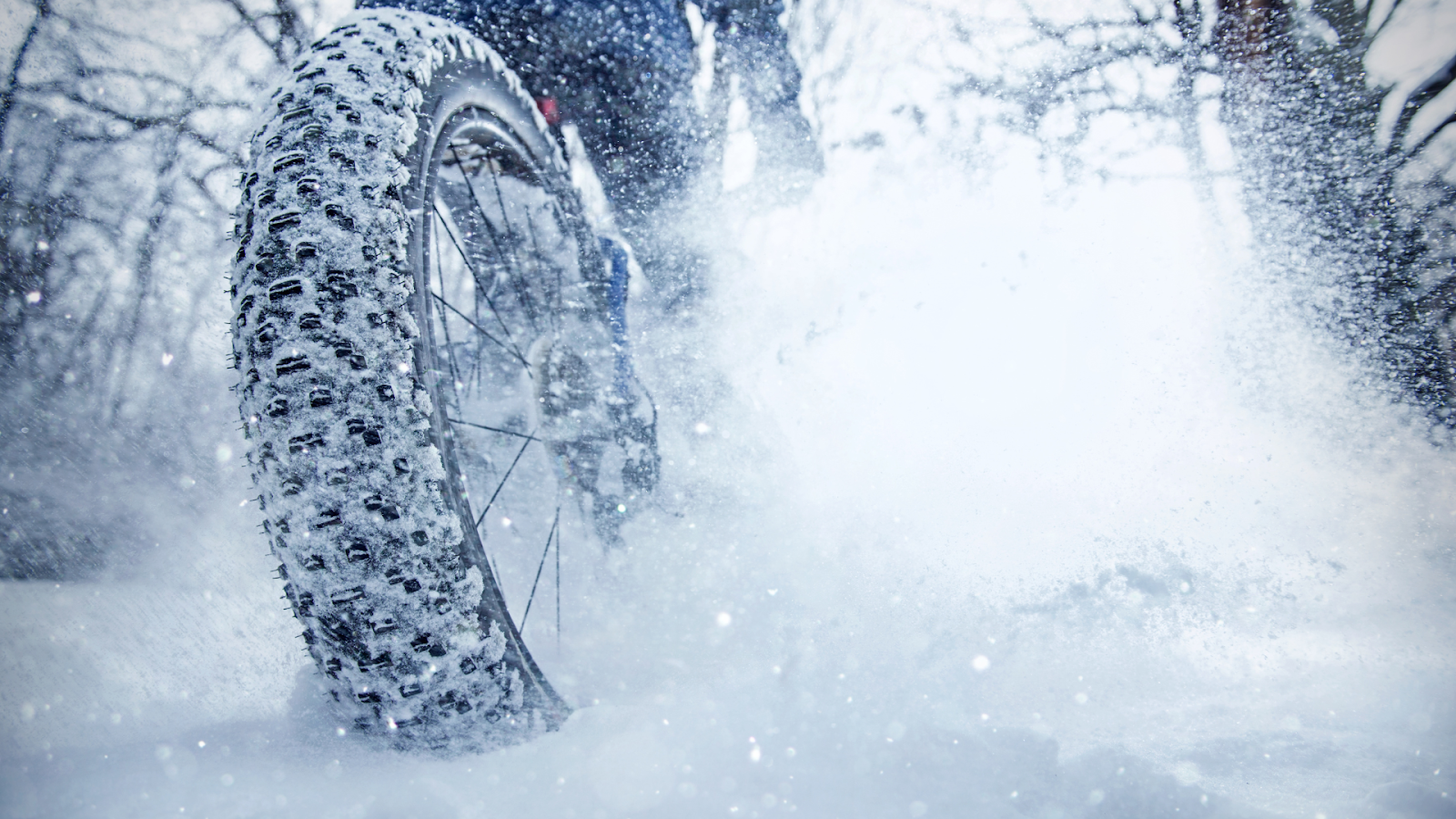
Physics explains everything. That’s why fat tires absolutely dominate winter conditions where your standard bike just… stops working. Think about this: regular bike tires? They’re creating maybe 1-2 inches of actual ground contact. Fat tires measuring 3.8 to 5 inches wide? They produce a contact footprint that’s dramatically larger, distributing your body weight across substantially more surface area. This expanded contact zone massively reduces ground pressure, which means the tire doesn’t slice through snow and smack into the ice layer below.
Running at merely 5-15 PSI (your regular tires run 40-60 PSI), these low-pressure behemoths basically float across soft surfaces. Real testing backs this up: 26″ x 4″ fat tires have been tested to handle everything from light frost to heavy snowdrifts, demonstrating genuine winter capability across wildly different conditions.
Enhanced Flotation Over Soft Snow
You’ll feel the benefits of fat tire bikes most clearly when you’re pedaling straight through powder while watching other riders dismount and walk through that same drift. That broader tire profile prevents sinking, letting you maintain speed and momentum precisely where narrower wheels get trapped almost instantly.
Experienced riders consistently report staying on top of snow that completely stops conventional mountain bikes. The flotation principle works like snowshoes, distributing weight to prevent breaking through into those deeper snow layers underneath.
Aggressive Tread Patterns for Winter Conditions
Tread design? It matters enormously for ice grip. Studded tires feature actual metal spikes that dig into frozen surfaces, while non-studded versions depend on aggressive knob patterns for packed snow performance.
Smart riders switch between tire types depending on that day’s expected conditions. Traction keeps your wheels gripping. But it’s the exceptional stability that prevents those heart-stopping moments when your bike suddenly starts sliding sideways on ice.
Unmatched Stability and Balance on Icy Surfaces
Bikes for icy surfaces require more than traction alone, they need inherent stability that builds real confidence when conditions turn genuinely dangerous.
Lower Center of Gravity Advantages
Fat bike geometry positions more weight lower on the frame. Combine that with wide tires creating a stable platform, and you’ll immediately notice improved cornering control. The bike simply resists tipping like narrower models do.
This design advantage becomes absolutely critical when you’re navigating icy turns or dodging obstacles suddenly appearing beneath snow cover.
Reduced Slip-and-Fall Incidents
That wider stance functions like training wheels minus the embarrassment factor. When one side begins slipping, you’ve got significantly more reaction time to correct before hitting the tipping point. That extra error margin can prevent seriously painful crashes on hard-packed ice.
Emergency braking performs better, too. More tire surface contacts the ground simultaneously, spreading braking forces across a much larger patch.
Predictable Handling in Mixed Winter Conditions
Fat tire bikes shine when you’re transitioning between bare pavement, slush, ice patches, and packed snow, sometimes all within one city block. That consistent feel builds rider confidence because the bike responds predictably regardless of what’s underneath your wheels.
Beyond keeping you upright on treacherous ice, these bikes excel across virtually every challenging winter surface you’ll encounter, including many you never imagined rideable.
Increased Versatility Across Challenging Winter Surfaces
These bikes aren’t one-trick ponies limited exclusively to snow riding.
Multi-Terrain Capability Beyond Snow and Ice
Fat-tire electric bikes are a popular choice for adventurers and outdoor enthusiasts who frequently ride on varied terrains. They’re ideal for individuals who want a single bike that can handle everything from paved roads to off-road trails. Hunters, anglers, and campers often appreciate the ability of fat tire ebikes to traverse rough terrain and access remote locations.
Sand, mud, and wet leaves, they become manageable obstacles rather than ride-ending hazards. You’ll find yourself exploring year-round instead of restricting adventures to fair-weather months only.
Urban vs. Off-Road Winter Riding Applications
City commuters appreciate these best bikes for slippery roads because they handle salted streets, streetcar tracks, and slushy intersections with equal competence. Off-road enthusiasts access ungroomed trails that would otherwise be completely impassable.
The same bike getting you to work all winter reliably transforms into your weekend adventure machine on snowy singletrack. Comfort matters, certainly. But safety is paramount when you’re navigating winter’s most dangerous conditions, here’s how these bikes protect you beyond merely cushioning the ride.
Safety Enhancements for Winter Riding Conditions
Winter cycling carries genuine risks. Proper equipment significantly reduces them.
Improved Braking Performance on Slippery Roads
Remember that larger contact patch discussed earlier? It dramatically improves stopping power on ice and packed snow. No bike stops instantly when friction approaches zero, but fat tire bikes outperform standard options by substantial margins.
Hydraulic disc brakes (standard on most fat bikes) deliver consistent power even when rims ice over, unlike traditional rim brakes that become nearly useless in freezing conditions.
Better Visibility and Road Presence
The larger profile makes you more visible to drivers struggling with their own traction challenges. You’re harder to miss, which matters tremendously when visibility drops during snowfall or early winter darkness.
Many fat bike frames provide multiple mounting points for lights and reflectors, allowing you to create a highly visible winter presence.
Lower Risk of Mechanical Failures in Cold
Simplified drivetrains on many fat bikes mean fewer components that can fail when temperatures plummet. Robust construction handles abuse from road salt and freeze-thaw cycles better than delicate road bike components.
Understanding benefits is one thing. Selecting the perfect fat tire bike for your specific winter riding needs requires knowing exactly which features and specifications actually matter most.
Choosing the Right Fat Tire Bike for Winter Conditions
Not all fat bikes perform equally when conditions deteriorate.
Key Specifications to Consider
Thanks to oversized tires, typically 4 to 5 inches wide, fat bikes provide stability and traction where regular bikes can’t. Many riders use studded tires for extra grip on icy patches, so verify your frame clears at least 4.8-inch tires with studs.
Aluminum frames deliver the best balance of affordability and cold-weather durability for most riders. Hydraulic disc brakes? Non-negotiable. They’re the only brake type performing reliably in extreme cold.
Budget Categories and Value Options
Entry-level fat bikes start around $800-$1,200, delivering solid performance for casual winter riders. Mid-range options ($1,500-$2,500) typically feature superior components and lighter frames that reduce pedaling effort.
Premium models exceed $3,000 but deliver significant weight savings and component durability that serious year-round riders appreciate. Electric fat bikes ($2,500-$5,000+) eliminate the “harder to pedal” concerns entirely.
Even the best fat tire bike won’t perform optimally without proper supporting gear, here’s everything you need to maximize your winter riding experience.
Final Thoughts on Winter Fat Tire Biking
Winter cycling doesn’t require suffering through slides and falls anymore. Fat tire bikes deliver proven traction, stability, versatility, and safety that transform frozen landscapes into accessible riding territory. From daily commutes on salted streets to weekend adventures on snowy trails, these specialized machines extend your riding season dramatically.
The initial investment pays dividends through years of reliable winter performance while keeping you active and outdoors during months when others stay inside. Don’t let winter steal months from your riding life, fat tire bikes offer exactly the solution you’ve been searching for.
Common Questions About Riding Bikes on Snow
1. Can fat tire bikes ride on black ice safely?
While fat tire bikes handle ice better than standard bikes, black ice remains dangerous for any two-wheeled vehicle. Studded tires provide the best option for known icy conditions, but extreme caution is always necessary when ice becomes mirror-smooth.
2. What tire pressure should I use for snow vs. ice?
Snow riding works best at 5-8 PSI, where maximum flotation occurs. Ice requires slightly higher pressure (8-12 PSI) to let studs penetrate the surface effectively. You’ll experiment to find your sweet spot based on weight and conditions.
3. Are fat-tire bikes harder to pedal than regular bikes?
On pavement? Yes, increased rolling resistance and weight require more effort. However, on snow and soft surfaces where standard bikes can’t function at all, fat-tire bikes actually pedal easier since they maintain forward momentum while thin tires sink and stall.