The True Cost of Ignoring Minor Roof Damage
Small issues on a roof may seem harmless at first, but they can quickly lead to larger structural problems. Ignoring minor leaks or missing shingles often results in costly repairs later. Understanding what happens when these problems are left unchecked helps homeowners make informed decisions about maintenance and timely repair.
How Minor Damage Develops Into Major Problems
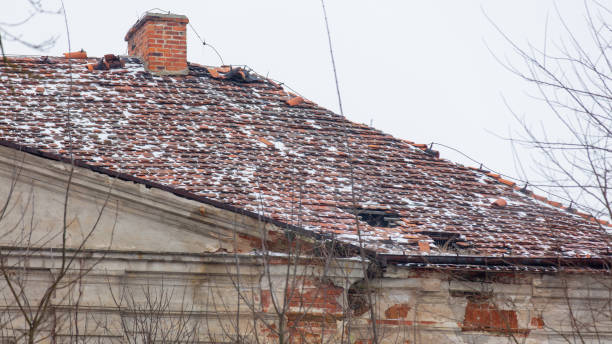
A roof’s surface protects against rain, wind, and sunlight. Even a small crack or loose shingle can allow moisture to seep underneath. Over time, water intrusion weakens the underlying materials, causing rot and mold. What began as a minor defect can turn into extensive damage to the roof deck and insulation.
Many people overlook the early signs of deterioration. They may notice slight discoloration or a small sag but assume it is nothing serious. However, repeated exposure to weather magnifies these issues, and the cost of repair grows as the damage spreads.
Hidden Structural and Interior Effects
When water penetrates a roof, it rarely stays confined to one area. Moisture can travel along beams and insulation, reaching interior walls or ceilings. This may lead to peeling paint, stains, or even structural weakening of the framework below.
Neglecting minor issues can also compromise energy efficiency. Wet insulation loses its ability to regulate temperature, causing heating and cooling systems to work harder. Over time, higher energy bills become an added expense beyond the physical damage itself.
Financial Impact of Delayed Maintenance
The financial difference between prompt maintenance and full replacement is significant. Addressing small repairs early often costs a fraction of what a large restoration requires. Once the damage spreads, materials and labor increase substantially, and homeowners may need to replace entire sections of the roof.
Scheduling regular inspections with a professional roofing contractor helps detect issues before they escalate. Experienced professionals can identify early warning signs and recommend practical solutions that extend the life of the roof while keeping expenses manageable.
Understanding Local Factors and Climate
Weather patterns, humidity, and seasonal storms all influence the rate of roof deterioration. In regions with frequent rainfall or strong winds, even minor damage can worsen more quickly. Homeowners should consider their local conditions when deciding how soon to address repairs.
For example, the need for timely roof repair in Baton Rouge often increases after heavy storms or prolonged humidity. Regular maintenance reduces the chance that small leaks will become major structural concerns during the next severe weather event.
Preventive Measures for Long-Term Protection
Routine maintenance is the most effective way to minimize unexpected expenses. Inspecting the roof at least twice a year and after major storms allows early detection of loose materials or blocked drainage. Clearing debris from gutters also helps prevent water buildup that can lead to leaks.
- Check for missing or cracked shingles after strong winds
- Ensure flashing around vents and chimneys remains secure
- Look for signs of interior moisture or ceiling stains
- Schedule professional inspections for a thorough evaluation
Maintaining Roof Health Over Time
Protecting a roof from long-term damage requires consistent attention. By addressing even small defects promptly, homeowners can preserve structural integrity and avoid large-scale repairs. A proactive approach saves money, safeguards the home, and ensures the roof continues to perform effectively for many years.