Tanzanian Safaris: Benefits of Staying in Eco-Lodges During Safari?
Planning a Tanzanian safari is exciting, but where you stay can shape your entire experience. For those seeking luxury Tanzania safaris, choosing an eco-lodge adds a deeper dimension beyond wildlife and game drives. These lodges do more than offer a place to sleep.
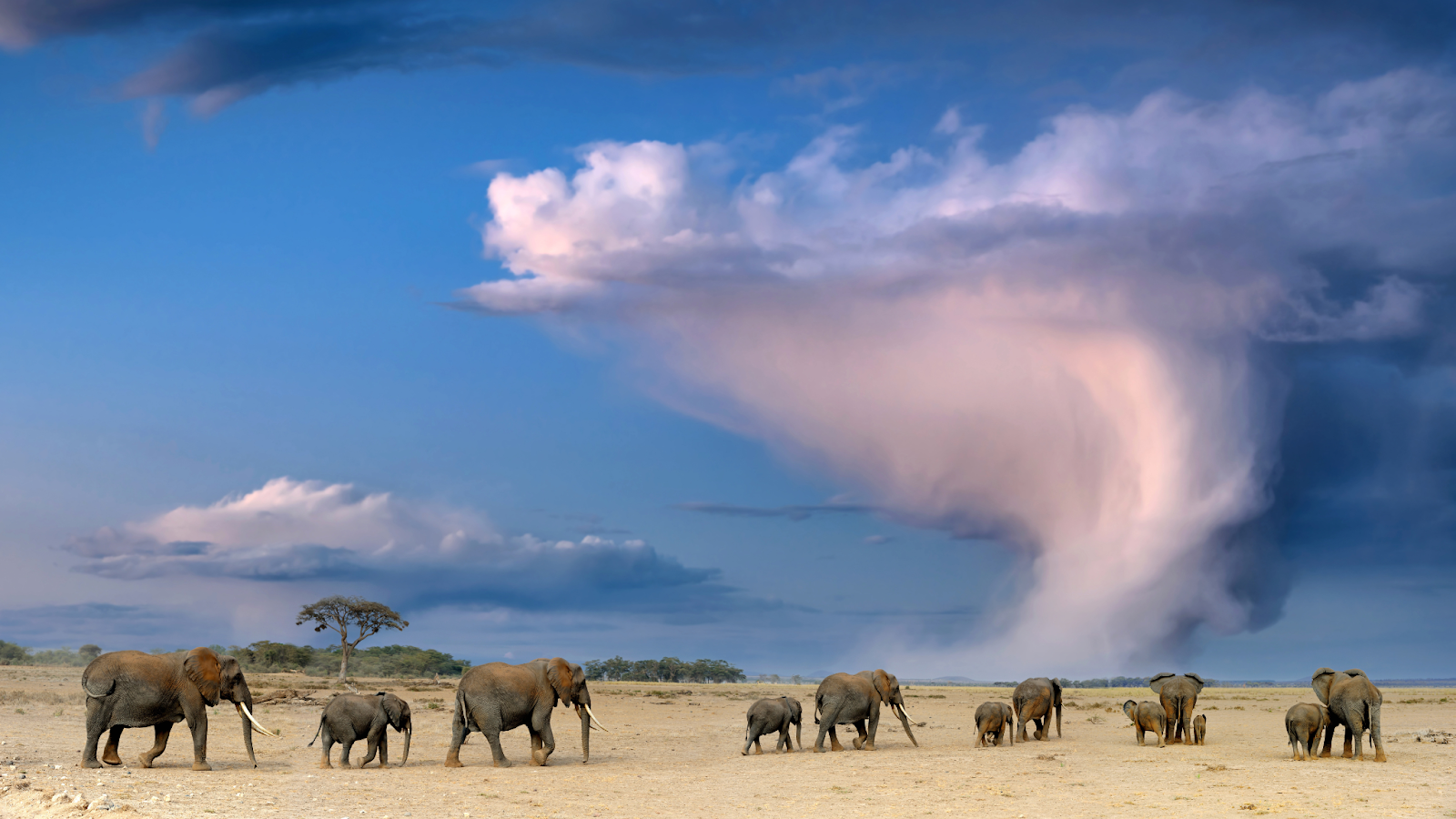
They help protect Tanzania’s natural beauty, support local communities, and let you experience the wild more responsibly. Whether you’re waking up to birdsong in the Serengeti or watching elephants near a solar-powered camp, eco-lodges bring you closer to nature without harming it.
In this blog, we’ll explore why eco-lodges are a smart and meaningful choice for your luxury Tanzania safari.
The Evolution of Eco-Lodges in Tanzania’s Safari Industry
Eco-lodges in Tanzania have evolved into sustainable sanctuaries, offering travelers on tailor-made wildlife safaris a blend of personalized adventure and eco-friendly comfort.
Early safari accommodations often prioritized luxury over sustainability, consuming excessive resources and creating substantial waste. Today’s eco-lodges in Tanzania offer equal comfort but with dramatically reduced environmental footprints. These properties incorporate innovative designs that blend with natural surroundings, using local materials and passive cooling techniques to eliminate energy-hungry air conditioning.
Couples often appreciate the quiet seclusion, candlelit dinners, and immersive wildlife views that make every moment feel personal and memorable. For those planning a Tanzania honeymoon, the gentle blend of adventure and intimacy found in eco-lodges turns the trip into a shared experience that strengthens connection and sets the tone for a lifetime of exploration together.
Certification and Standards for Authentic Eco-Lodges
Not all properties claiming “eco” status truly qualify. For those planning family safaris in Tanzania, it is essential to look for legitimate certifications like Responsible Tourism Tanzania (RTTZ) and Global Sustainable Tourism Council (GSTC) approval. These rigorous standards ensure that eco-lodges meet specific environmental criteria and uphold their sustainability commitments.
The transformation of Tanzania’s accommodation landscape reflects a growing recognition that preserving wilderness requires thoughtful tourism infrastructure design and operation. Let’s examine the specific environmental advantages these properties offer.
Environmental Benefits of Eco-Lodges During Tanzanian Safaris
Eco-lodges minimize their ecological footprint through innovative technologies and practices that protect Tanzania’s fragile ecosystems. These properties serve as living laboratories for sustainable solutions.
Reduced Carbon Footprint Through Innovative Design
Sustainable travel in Tanzania begins with thoughtful architecture, which is central to luxury African safari experiences. Leading eco-lodges employ natural ventilation, strategic shading, and insulating materials to minimize or eliminate air conditioning. Many run entirely on renewable energy, using solar power for electricity and hot water. Some even incorporate recycled materials in construction, turning waste into key structural elements.
Water Conservation Practices That Protect Fragile Ecosystems
Tanzania’s diverse ecosystems depend on carefully balanced water resources. Forward-thinking lodges implement sophisticated water management systems, including rainwater harvesting, greywater recycling, and low-flow fixtures. Some properties reduce water consumption by up to 70% compared to conventional lodges while maintaining guest comfort.
Waste Management Solutions in Remote Wilderness Areas
Managing waste in isolated locations presents unique challenges. Eco-friendly safaris often include composting systems that transform food waste into garden fertilizer. Many lodges have eliminated single-use plastics and partnered with recycling facilities in larger cities to process materials that can’t be handled locally.
The environmental initiatives implemented by eco-lodges directly support the wildlife that attracts guests on wildlife photography safaris in Tanzania. Next, we’ll explore how these lodges actively contribute to conservation efforts.
Conservation Impact: How Eco-Lodges Protect Tanzania’s Wildlife
Beyond reducing their environmental footprint, the best eco-lodges actively participate in protecting Tanzania’s remarkable biodiversity through direct conservation initiatives.
Direct Funding for Anti-Poaching and Wildlife Protection
Many eco-lodges in Tanzania allocate a portion of their revenue directly to conservation efforts, making them ideal for couples seeking honeymoon safaris in Tanzania that combine romance with responsibility. Some properties employ former poachers as wildlife guides or security personnel, providing alternative livelihoods while leveraging their tracking skills to protect wildlife.
These initiatives enhance cultural experiences in Tanzania by fostering community involvement and supporting vital anti-poaching patrols that safeguard endangered species like black rhinos and elephants.
Habitat Restoration Projects Led by Leading Eco-Lodges
Several pioneering lodges supporting Serengeti National Park safaris have undertaken ambitious habitat restoration initiatives. These efforts include reforestation and grassland rehabilitation that benefit grazing animals. By restoring degraded landscapes, they expand wildlife habitats while combating desertification and soil erosion.
The conservation work backed by eco-lodges goes beyond wildlife protection to support local communities, making them central to eco-friendly safaris in Tanzania. Let’s explore the social benefits these properties generate.
Community Benefits of Choosing Eco-Friendly Safari Accommodations
The positive impact of eco-friendly safaris reaches far beyond environmental considerations to transform local economies and preserve cultural heritage.
Economic Empowerment Through Local Employment
The most authentic eco-lodges supporting Ngorongoro Crater tours prioritize hiring staff from nearby communities, offering training and career advancement opportunities. Many also source food locally, establishing reliable markets for small-scale farmers. These economic connections ensure tourism benefits reach far beyond the lodge itself.
Educational Initiatives for Local Communities
Forward-thinking lodges supporting Great Migration safaris invest in education through scholarships, school construction, and teaching supplies. Many also run environmental education programs for local students, nurturing future conservation advocates. These initiatives create lasting benefits for communities beyond the guest experience.
The community partnerships fostered by eco-lodges also enrich the experience for travelers on Big Five safaris in Tanzania. Next, we’ll explore how staying at these properties transforms the visitor experience.
The Transformative Power of Eco-Lodge Experiences
If you plan a green safari in Tanzania combined with Zanzibar beach holidays, opting for an eco-lodge benefits nature, local communities, and the environment. Beyond comfortable accommodations, these lodges offer authentic connections to local cultures.
Environmentally responsible travel is growing in popularity, especially among those seeking private guided safaris in Tanzania. Choosing lodges that prioritize sustainability helps preserve Tanzania’s natural beauty, ensuring your safari experience is both meaningful and memorable.
FAQs on Eco-Lodges in Tanzania
1. Are eco-lodges in Tanzania more expensive than standard safari accommodations?
While some luxury eco-lodges command premium prices, many are comparably priced to standard accommodations. The slightly higher costs typically reflect superior locations, private conservancy fees, and direct contributions to conservation and community projects, delivering greater value beyond the accommodation itself.
2. What specific eco-friendly features should I look for when booking?
Prioritize lodges using renewable energy (solar/wind), water conservation systems, waste recycling programs, and locally-sourced building materials. Equally important are properties with tangible wildlife conservation programs and meaningful community partnerships that provide economic benefits to residents.
3. Do eco-lodges offer the same level of comfort as traditional safari lodges?
Absolutely! Many luxury eco-lodges rival five-star hotels in comfort while maintaining environmental principles. You’ll find properties offering exceptional dining, premium bedding, private plunge pools, and spa treatments—all delivered through sustainable practices that minimize environmental impact.