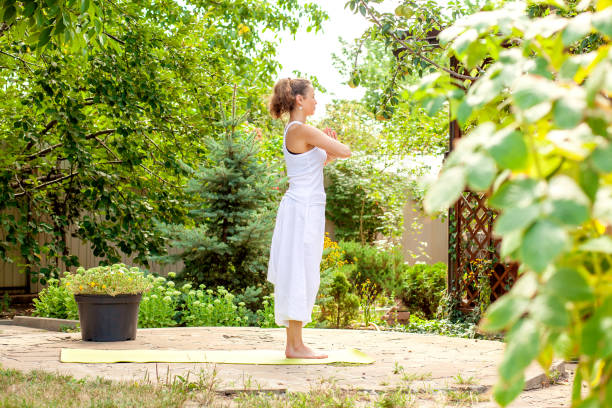
Tadasana (Mountain Pose): Benefits, Correct Technique & Common Mistakes Explained
Yoga has endured for thousands of years because it addresses a fundamental human need: learning how to move, stand, and breathe with awareness. Among all standing postures, Tadasana (Mountain Pose) forms the structural foundation of yoga practice. While it appears simple, this pose quietly trains posture, balance, and mindful alignment—skills that influence every other asana.
For modern lifestyles shaped by long hours of sitting, learning yoga classes at home through foundational poses like Tadasana can be a practical way to restore postural integrity and body awareness. Practised correctly, this pose teaches how to stand with stability, ease, and presence—on and off the mat.
What Is Tadasana (Mountain Pose)?
Tadasana is derived from the Sanskrit words “Tada” (mountain) and “Asana” (posture). The name reflects the essence of the pose: standing tall, grounded, and steady, like a mountain rooted to the earth.
Despite its stillness, Tadasana is an active posture. Multiple muscle groups engage simultaneously while the spine aligns vertically. Traditionally, it serves as the starting point for many standing sequences and transitions, helping practitioners reset alignment between movements.
Beyond physical structure, Tadasana encourages awareness. It highlights subtle imbalances in posture and breath, making it a powerful diagnostic pose for understanding how the body holds tension.
Tadasana at a Glance
| Aspect | Details |
| Sanskrit Name | Tāḍāsana (ताड़ासन) |
| English Name | Mountain Pose |
| Level | Beginner-friendly |
| Duration | 30 seconds to 5 minutes |
| Best Time | Morning, empty stomach |
| Primary Muscles | Legs, core, spine, shoulders |
| Key Benefits | Posture, balance, body awareness |
| Contraindications | Low BP, vertigo, acute injuries |
| Ideal For | Desk workers, seniors, beginners |
How to Do Tadasana Correctly (Step-by-Step)
Although Tadasana looks effortless, precise alignment is essential. Follow these steps carefully:
1. Establish a Stable Base
Stand with feet together or hip-width apart if needed. Spread your toes and press evenly through all four corners of each foot to create a firm foundation.
2. Balance Your Weight
Distribute your body weight evenly between heels and forefoot. Avoid leaning forward or backward.
3. Engage the Legs
Activate the thigh muscles and gently lift the kneecaps without locking the knees. This supports joint health and stability.
4. Align the Spine
Engage the core lightly and imagine the crown of your head lifting upward. Allow the spine to lengthen naturally.
5. Relax the Upper Body
Roll the shoulders back and down. Let the arms hang naturally with palms facing forward.
6. Breathe with Awareness
Keep the chin parallel to the floor and gaze forward. Breathe slowly through the nose, maintaining ease and steadiness.
Hold for 5–10 breaths or longer if comfortable.
7 Common Tadasana Mistakes (And How to Fix Them)
1. Locking the Knees
Fix: Maintain a subtle bend and activate the thighs without hyperextension.
2. Uneven Weight Distribution
Fix: Rock gently forward and back to find your neutral center.
3. Overarching the Lower Back
Fix: Engage the lower abdomen to support the lumbar spine.
4. Raised Shoulders
Fix: Exhale and consciously drop the shoulders away from the ears.
5. Collapsed Chest
Fix: Lift the sternum gently without flaring the ribs.
6. Holding the Breath
Fix: Establish a steady, relaxed breathing rhythm.
7. Ignoring the Feet
Fix: Spread toes and ground evenly through the soles.
Quick self-check: Ears over shoulders, shoulders over hips, hips over ankles, breath steady.
Health Benefits of Tadasana (Mountain Pose)
Physical Benefits
- Improves posture and spinal alignment
- Strengthens legs, feet, and core muscles
- Enhances balance and stability
- Increases postural awareness
Mental Benefits
- Calms the nervous system
- Improves focus and concentration
- Encourages mindful breathing
Mind–Body Awareness
Tadasana integrates physical alignment with mental stillness, making it a valuable practice for cultivating presence and body awareness.
Who Should Practice Tadasana?
Tadasana is suitable for most individuals, including:
- Beginners learning alignment fundamentals
- Desk workers correcting postural habits
- Seniors improving balance and stability
- Anyone seeking mindful movement
With professional guidance—such as programs offered by FlexifyMe—Tadasana is often incorporated into therapeutic yoga and physiotherapy routines to support posture correction and mobility.
Tadasana Contraindications & Safety Guidelines
Avoid or modify the pose if you experience:
- Low blood pressure or dizziness
- Severe vertigo or balance disorders
- Acute foot, ankle, or joint injuries
- Late-stage pregnancy without modifications
Safe Modifications
- Practise near a wall for support
- Widen your stance for better balance
- Use a chair for seated Tadasana
- Shorten hold time if discomfort arises
Listening to your body is essential for safe and sustainable practice.
Popular Variations of Tadasana
- Urdhva Hastasana: Arms raised overhead to enhance spinal extension
- Prayer Hands (Anjali Mudra): Promotes mental centering
- Tadasana on Toes: Strengthens calves and balance
- Wall-Supported Tadasana: Ideal for posture training
- Chair Tadasana: Accessible option for limited mobility
- Side-Bend Tadasana: Improves lateral spine flexibility
Conclusion: Why Tadasana Matters in Daily Practice
Tadasana may appear simple, but its impact is profound. By practising this pose regularly, you learn how to stand, breathe, and move with awareness—skills that influence posture, balance, and overall wellbeing. When performed mindfully and consistently, the health benefits of Tadasana (Mountain Pose) extend far beyond the yoga mat, supporting better alignment and focus throughout daily life.
Start with a few minutes each day, observe subtle changes, and allow this foundational posture to quietly strengthen your practice from the ground up.