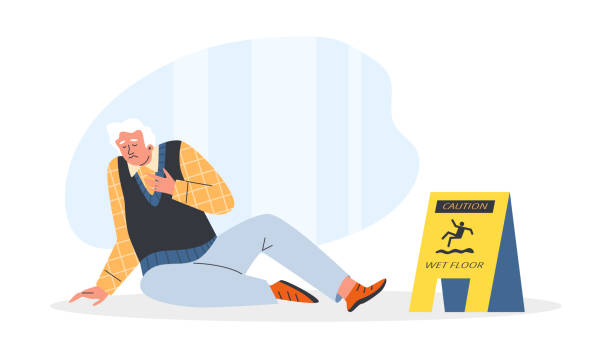
Top Causes of Slip and Fall Injuries and How to Prove They Happened
Slip and fall accidents are among the most common causes of personal injury claims. They can occur in homes, businesses, public spaces, or workplaces, and often result in injuries ranging from minor bruises to serious fractures or head trauma. While the physical harm from these incidents can be significant, victims often face additional challenges when seeking compensation. One of the key obstacles is proving that the accident occurred and that the property owner was responsible for the hazardous condition that caused it. Understanding the most common causes of slip and fall injuries and the steps required to document them can be critical for a successful claim.
Common Causes of Slip and Fall Injuries
Slip and fall accidents can occur for a wide variety of reasons, but most fall into a few primary categories. Recognizing these causes can help individuals prevent accidents and prepare evidence if a claim is necessary.
1. Wet or Slippery Floors
One of the most frequent causes of slip and fall injuries is wet or slippery floors. This can happen due to spills, rain or snow tracked indoors, recently mopped surfaces, or leaking pipes. Property owners are generally responsible for maintaining floors in a safe condition, and failing to do so can result in liability for injuries.
For example, a grocery store that fails to promptly clean a spilled liquid or place warning signs may be held accountable for injuries sustained by patrons. Similarly, a restaurant that does not maintain dry floors in high-traffic areas can be liable for slip-and-fall incidents.
2. Uneven or Damaged Surfaces
Uneven flooring, loose tiles, cracked sidewalks, and worn-out carpeting are all common culprits. These hazards can create tripping points that lead to falls. Homeowners, landlords, and business owners are expected to inspect and maintain their properties regularly to prevent such dangers.
Even minor irregularities, if unaddressed, can result in serious injuries. Victims should document the exact location and nature of the defect, as these details are critical in establishing negligence.
3. Poor Lighting
Insufficient lighting is another common factor in slip and fall injuries. Dimly lit stairways, hallways, parking lots, or entryways can prevent individuals from seeing hazards in their path. Property owners have a duty to provide adequate lighting to ensure safe navigation of their premises.
Accidents caused by poor lighting are often preventable, and victims may have strong grounds for a claim if it can be shown that the property owner knew or should have known about the risk.
4. Obstructions and Clutter
Objects left in walkways, such as boxes, cords, or personal items, can create tripping hazards. Business owners, landlords, and employees are responsible for keeping areas free of obstacles that could cause accidents.
Even temporary clutter, like delivery boxes or maintenance equipment, can lead to liability if it results in a fall. Documenting the presence of obstructions immediately after the accident is crucial to support your claim.
5. Weather Conditions
Outdoor slip and fall accidents often result from weather-related hazards, including ice, snow, rain, or fallen leaves. Property owners are generally expected to take reasonable precautions, such as shoveling snow, applying salt or sand, or installing mats at entrances to reduce slip risks.
Victims should note the weather conditions at the time of the incident and whether the property owner took appropriate measures to prevent hazards. Failure to do so can be a significant factor in establishing negligence.
6. Faulty or Missing Handrails
Stairs and ramps without secure handrails can increase the likelihood of a fall. A missing, broken, or improperly installed handrail can make a minor misstep dangerous, particularly for older adults or individuals with mobility challenges.
Property owners have a duty to maintain stairways and ramps according to safety standards. A well-documented handrail issue can serve as compelling evidence in a slip and fall case.
How to Prove a Slip and Fall Occurred
Establishing that a slip and fall occurred and demonstrating liability requires careful documentation and evidence collection. Successfully proving a claim often hinges on showing that the property owner was negligent and that their negligence directly caused the injury.
1. Seek Medical Attention Immediately
Medical documentation is one of the most critical elements of any personal injury claim. Seeking treatment promptly not only ensures proper care but also creates a record linking your injuries to the incident. Emergency room notes, doctor’s reports, X-rays, and follow-up treatments provide concrete evidence of the harm caused by the fall.
2. Document the Scene
Photographs and videos are invaluable in slip and fall cases. Capture images of the hazard, the surrounding area, and any contributing factors such as wet floors, debris, lighting conditions, or damaged surfaces. The more details you can capture, the stronger your evidence will be.
If possible, include objects for scale in photos, and take multiple angles to show context. This documentation helps demonstrate the severity of the hazard and the reasonableness of your claim.
3. Collect Witness Information
Eyewitnesses can provide independent verification of the incident and the conditions that caused it. Obtain names, phone numbers, and written statements from anyone who saw the accident occur or who observed the hazardous conditions beforehand. Witness testimony can corroborate your account and make it harder for the property owner or insurer to dispute the facts.
4. Notify the Property Owner
Informing the property owner or management of the accident as soon as possible is important. Provide a clear account of what happened, including time, location, and the nature of the hazard. Many jurisdictions have notice requirements, and timely reporting can prevent complications later in the claim process.
5. Preserve Evidence
Keep any physical evidence from the incident, such as torn clothing, shoes, or personal items damaged in the fall. Preserve receipts for medical treatment, medications, transportation, or any other costs related to the injury. Detailed records help establish both the cause and the financial impact of your injuries.
6. Keep a Personal Journal
Recording your symptoms, pain levels, and limitations on a daily basis can help demonstrate the ongoing impact of your injury. Note any emotional or lifestyle changes, such as difficulty performing daily tasks or reduced participation in activities you previously enjoyed. Judges and insurance companies often consider this type of evidence when evaluating the severity of a slip and fall claim.
7. Consult an Experienced Attorney
Slip and fall cases can be complex, particularly when liability is disputed. Property owners and insurers may attempt to minimize responsibility or claim that the victim was partially at fault. Consulting a slip-and-fall attorney in New York can help ensure that your evidence is properly collected, your claim is accurately calculated, and your legal rights are fully protected.
An experienced attorney can guide you through the process, negotiate with insurers, and, if necessary, represent you in court. Legal guidance significantly increases the likelihood of a fair settlement or verdict.
Preventing Slip and Fall Injuries
While accidents can happen anywhere, being aware of common hazards and taking preventive measures can reduce risk. Wear appropriate footwear, avoid distracted walking, and be mindful of your surroundings. Property owners should maintain clean, well-lit, and obstacle-free areas, and take proactive steps to address potential hazards promptly.
By understanding the causes of slip and fall injuries and knowing how to document them, victims can take a proactive approach to both prevention and recovery. Accidents may be sudden and unexpected, but proper preparation and legal guidance can make a meaningful difference in pursuing compensation and ensuring accountability.
Slip and fall accidents can have serious consequences, both physically and financially. From wet floors and uneven surfaces to poor lighting and obstructed pathways, numerous hazards can lead to injury. Proving that these conditions caused your accident requires careful documentation, timely medical care, witness testimony, and often the support of an experienced attorney. Recognizing the hidden risks and taking the right steps after a fall can help victims recover not just physically, but also financially and emotionally.