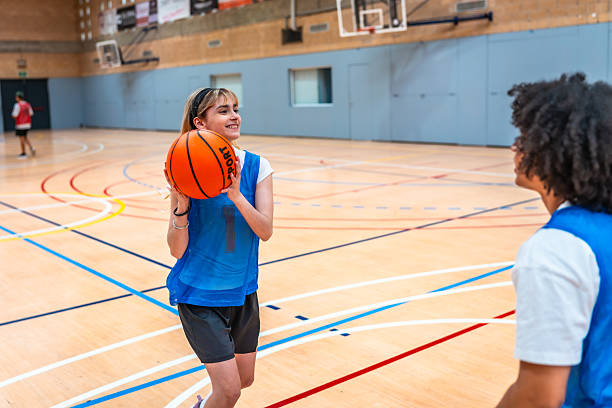
Best Practices for Gym Floors in High Schools
A well-designed and properly maintained gym floor is central to the success and safety of any high school athletic program. Beyond providing a surface for sports like basketball, volleyball, and wrestling, gym floors also host assemblies, ceremonies, and community events—making them one of the most heavily used spaces on campus. Ensuring the right materials, finishes, and maintenance routines are in place not only enhances athletic performance but also extends the lifespan of the facility. By adopting best practices in installation, care, and upkeep, schools can create a durable, safe, and visually appealing environment that supports both athletic excellence and school pride.
Maintaining gym floors in high schools is about much more than aesthetics. A well-maintained gymnasium floor not only ensures the safety and performance of athletes but also maximizes the longevity of a school’s significant athletic investment. By following essential guidelines and maintaining routine care, high schools establish a standard of excellence for their sports programs and facility management. For administrators and facility managers seeking to upgrade or maintain gym floors for high schools, adhering to these best practices can yield long-lasting benefits for the school community.
High-quality gym floors do more than support games; they’re foundational for physical education, assemblies, and various community events. Clean, compliant, and well-maintained surfaces prevent injuries and enhance each athlete’s confidence in their movements. Given the numerous interactions between students, faculty, and community members in these spaces, proactive floor maintenance isn’t optional—it’s essential. Taking preventive measures and ensuring regular evaluation means that facilities remain welcoming, functional, and safe for everyone who uses them.
Daily Maintenance
Routine daily cleaning is critical in preventing both cosmetic and structural damage to gym floors. Dust, grit, and debris carried in on shoes can cause tiny scratches and diminish traction, increasing the risk of slips and falls for student-athletes. Using a microfiber dust mop every day—and multiple times a day if the gym is heavily used—keeps the surface free from harmful particles. It’s best to use a pH-neutral cleaner, as harsh chemicals or excess water may degrade the protective finish, cause warping, or leave floors looking dull.
Besides mopping, it’s advisable to restrict gym usage during periods of inclement weather since water and mud are the flooring’s worst enemies. Developing a cleaning schedule that aligns with school activities also reduces the risk of unforeseen wear and tear.
Interim Cleaning
Beyond daily routines, interim or periodic deep cleaning is necessary to maintain the integrity and performance of gym floors. For this, facilities teams can employ automatic scrubbers outfitted with non-abrasive pads, paired with a neutral cleaning solution. This approach efficiently removes embedded dirt without compromising the floor’s finish. Correct handling is crucial, as improper equipment settings can strip away protective coatings or even void the manufacturer’s warranty.
Annual Refinishing
Even with careful cleaning, gym floors lose their luster and protective coatings over time. Annual refinishing is vital to restoring their appearance and ensuring the safety of athletes. This process typically involves gently sanding the surface to remove imperfections before applying a sealant for added durability. Finally, several finish coats are layered to maximize shine, safety, and the floor’s lifespan.
Refinishing not only revives color and gloss but also renews traction properties critical for high-impact activities like basketball and volleyball. Ensuring that refinishing projects align with recognized safety standards provides an additional layer of protection for the entire school community.
Preventive Measures
Taking a proactive approach toward gym floor care significantly extends its life. One of the simplest measures is installing heavy-duty mats at each entry to capture moisture and dirt before they ever touch the wood. Schools should enforce clear rules for gym usage, such as banning food and drink and restricting footwear to clean, non-marking soles.
Routine inspections catch problems early, such as spotting leaks or signs of moisture intrusion, before they escalate into costly repairs. Having clear signage, student awareness programs, and staff vigilance are other effective ways to encourage ongoing floor protection.
Safety and Compliance
Ensuring gym floors meet safety benchmarks goes beyond aesthetics—it’s about protecting student health. Well-maintained floors can reduce athletic injuries by up to 25%, as some surfaces are specifically engineered to absorb more than half of the impact from falls or jumps. Adherence to safety standards ensures floors provide adequate shock absorption and slip resistance for athletic activities.
Proper sports flooring also meets fire safety, indoor air quality, and allergy-resistance standards, supporting overall wellness and regulatory compliance.
Timing Maintenance Projects
Smart scheduling of maintenance ensures the gym is always ready for action without disrupting academics or other events. Most schools find it most efficient to plan refinishing and deep-cleaning projects during breaks, such as winter or summer holidays, allowing sufficient time for floors to cure completely. This forward-thinking approach minimizes lost gym time and protects floor warranties.
Coordinating with athletic and administrative calendars ensures there’s no overlap with major events, further reducing the likelihood of accidental damage during busy periods. School maintenance teams should communicate plans well in advance to all stakeholders, including coaches, event coordinators, and facility users.
Addressing Potential Hazards
Older gym floors can pose unique risks, particularly if initially constructed or coated during eras when hazardous materials were standard practice. For example, some polyurethane-based floors installed between the 1960s and 1980s contain mercury, which, when exposed to heat or poor ventilation, may emit dangerous vapors. Routine environmental testing can help schools identify and remediate these risks before they compromise the health of students, staff, and visitors.
Schools facing these challenges are wise to consult environmental experts and adhere to public health recommendations. Addressing known hazards promptly signals a strong commitment to student and staff wellbeing and demonstrates responsible stewardship of public facilities.
Conclusion
High school gym floors require consistent attention—through daily upkeep, thorough cleaning regimens, timely refinishing, and preventive planning—to deliver safe and top-notch playing surfaces. Following best practices in floor care also means complying with safety standards and taking proactive measures to address legacy hazards. By strategically scheduling maintenance and implementing strict usage rules, schools provide the best possible environment for student-athletes, staff, and the broader community for years to come.