Bite Right: A Guide to Jaw Alignment
Beyond bright, straight teeth, jaw and bite alignment is a crucial, often overlooked, foundation of oral health, impacting chewing, speaking, and overall well-being. This guide will explore the essentials, including causes of misalignment, associated health issues, and available treatments, emphasizing that understanding a proper bite is vital for a healthier smile and improved quality of life.
Understanding Malocclusion: Types and Causes
When your teeth and jaw don’t line up correctly, it’s a condition known as “malocclusion,” which literally means “bad bite.” This common issue can range from mild to severe and is categorized into several types.
Types of Malocclusion
Dentists and orthodontists typically classify malocclusion based on how the first molars in the upper and lower jaws align.
- Class 1: This is the most common type. The bite is mostly normal, but the teeth are crowded, spaced too far apart, or crooked.
- Class 2 (Overbite): The upper jaw and teeth significantly overlap the lower jaw and teeth. This is sometimes called a retrognathic profile.
- Class 3 (Underbite): The lower jaw protrudes forward, causing the lower teeth to sit in front of the upper teeth. This is known as a prognathic profile.
- Open Bite: The front teeth, upper and lower, don’t make contact when the mouth is closed, leaving a gap.
- Crossbite: Some upper teeth sit inside the lower teeth when the mouth is closed. This can affect a single tooth or groups of teeth.
Common Causes of Misalignment
The causes of malocclusion are varied and often involve a combination of factors.
- Genetics: The size and shape of your jaw are largely inherited. If your parents had an overbite or underbite, you might be more likely to have one as well.
- Childhood Habits: Certain habits during early childhood, when the jaw is still developing, can influence its alignment. These include thumb sucking, prolonged pacifier or bottle use, and tongue thrusting (pushing the tongue against the teeth when swallowing).
- Lost or Impacted Teeth: Missing teeth can cause the remaining teeth to shift, affecting the bite. Similarly, teeth that don’t erupt properly (impacted teeth) can push others out of alignment.
- Trauma: A direct injury to the jaw, such as from an accident or sports injury, can displace it and lead to misalignment.
Symptoms and Health Issues of Misalignment
A misaligned jaw isn’t just a cosmetic concern. It can lead to a wide range of symptoms and health problems that can impact your daily life.
Common symptoms include:
- Difficulty or discomfort when chewing or biting
- Speech problems, such as a lisp
- Frequent biting of the inner cheeks or tongue
- Mouth breathing
- Noticeable changes in facial appearance
Beyond these immediate symptoms, poor jaw alignment can contribute to more serious health issues:
- Temporomandibular Joint (TMJ) Disorders: The TMJ is the hinge connecting your jaw to your skull. Misalignment places extra stress on this joint, which can lead to chronic pain, clicking or popping sounds, and limited jaw movement.
- Headaches and Neck Pain: The strain on the jaw muscles can radiate, causing frequent tension headaches, migraines, and even neck and shoulder pain.
- Increased Risk of Tooth Decay and Gum Disease: Crooked or crowded teeth are harder to clean effectively. This difficulty allows plaque and bacteria to build up, increasing the risk of cavities and periodontal (gum) disease.
- Abnormal Tooth Wear: An improper bite can cause uneven pressure on certain teeth, leading to them wearing down faster than others. This can result in chipped or flattened teeth.
- Sleep Apnea: In some cases, particularly with an overbite, the position of the jaw can narrow the airway, contributing to obstructive sleep apnea, a condition where breathing repeatedly stops and starts during sleep.
How Jaw Alignment is Assessed
If you suspect you have a misaligned jaw, a thorough examination by a dentist or orthodontist is the first step. They use several diagnostic methods to assess your bite and determine the best course of action.
- Physical Examination: The practitioner will examine your teeth, jaw, and facial structure. They will ask you to bite down and will observe how your teeth meet.
- Dental X-rays: These images provide a detailed view of the teeth and jawbone, helping to identify impacted teeth, bone loss, or other underlying issues. A panoramic X-ray shows the entire mouth in one image.
- Cephalometric X-rays: This type of X-ray shows the relationship of the jaw and teeth to the skull, providing crucial measurements for diagnosing overbites and underbites.
- Dental Impressions: Molds of your teeth are taken to create a plaster or digital model of your mouth. This allows the orthodontist to study your bite from all angles and plan treatment.
Treatment Options: From Braces to Surgery
Fortunately, there are many effective treatments for correcting jaw and bite alignment. The right option depends on your age, the severity of the malocclusion, and your specific goals.
- Braces: The most common treatment for malocclusion, braces use brackets and wires to gradually move teeth into their correct positions.
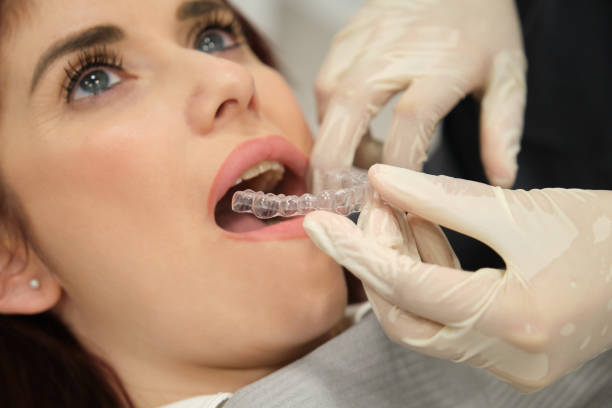
- Clear Aligners: A popular alternative to traditional braces, clear aligners (like Invisalign) use a series of custom-made, removable trays to shift teeth. They are less noticeable and can be removed for eating and cleaning.
- Palate Expanders: Used primarily in children whose jaws are still growing, a palate expander widens the upper jaw to correct a crossbite and create more space for crowded teeth.
- Jaw Surgery (Orthognathic Surgery): For severe cases of misalignment, especially in adults whose jaws have stopped growing, surgery may be necessary. This procedure repositions the upper jaw, lower jaw, or both to achieve proper alignment. It is often done in conjunction with orthodontic treatment.
- Restorative Treatments: In cases where missing teeth have caused the bite to shift, treatments such as bridges or permanent dentures, like those in Scott, LA, can restore the bite and prevent further movement.
Preventative Measures for Good Oral Hygiene
While many causes of malocclusion are genetic, certain measures can help promote healthy jaw development and maintain alignment.
- Limit Pacifier and Thumb Sucking: Encourage children to stop these habits by age three to prevent them from affecting jaw growth.
- Practice Good Oral Hygiene: Regular brushing and flossing help prevent tooth decay and gum disease, which can lead to tooth loss and subsequent shifting.
- Wear a Mouthguard: If you or your child play contact sports, wearing a custom-fitted mouthguard can protect the teeth and jaw from injury.
- Regular Dental Check-ups: Visiting your dentist every six months allows for early detection and treatment of any alignment issues before they become more severe.
Conclusion
Now that you have a better understanding of why tooth shifting occurs and how it can be prevented, you can take the necessary steps to maintain a healthy and aligned smile.