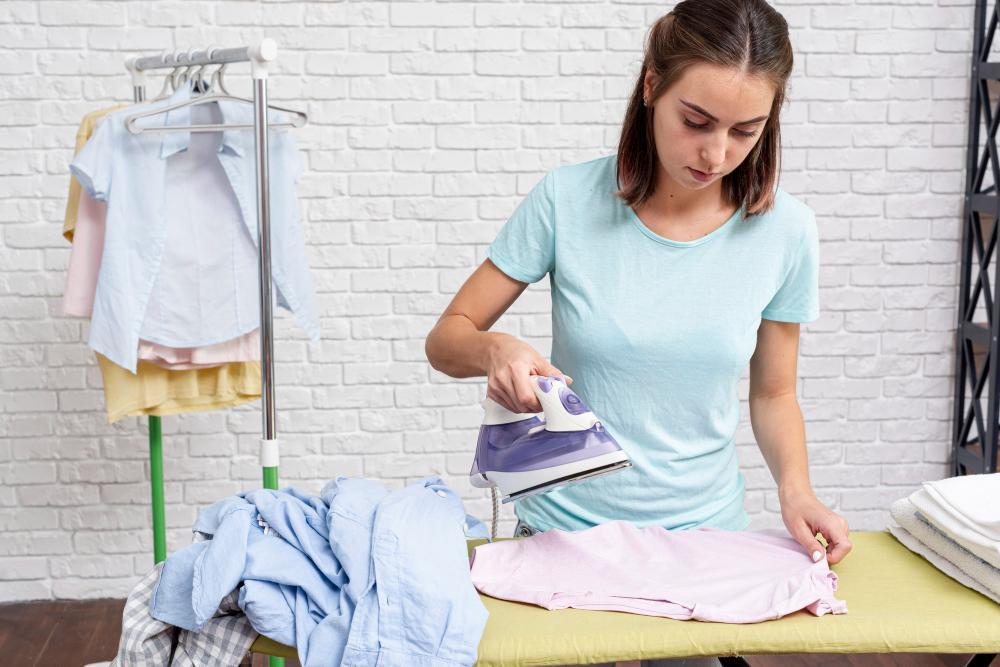
Expert Washing and Ironing Tips for Sweat-stained Clothes
Are you tired of dealing with sweat stains and greasy marks every summer? Do you need a permanent solution for your sweat-stained clothes? Well then, it is time for you to embrace the tried-and-tested tips and techniques of cleaning sweat stains. If your beautiful sundresses and gorgeous summer shirts are starting to look like an eyesore because of patchy sweat stains, then all that you need to do is adopt the quick fixes discussed right here. While cleaning sweat stains at home is easy, it is easier to visit a nearby laundry service centre for professional washing and ironing services.
At laundry service centres, professionals use a wide variety of mild chemicals to eliminate stains and make the clothes appear shiny and new. However, if you would rather do your laundry work at home, here are a handful of tips and tricks for you. Quit letting your sweat-stained summer clothes rot in the laundry basket. Instead, take the clothes out of the basket and get down to business. A quick washing and ironing session will make your clothes feel as good as new in no time.
What causes sweat stains?
Sweat is colourless but leaves yellowish stains on light-coloured clothes upon reaction with deodorant chemicals and sebum. Sweat consists of oils, salt, and toxins. Upon evaporation of the moisture content of sweat, the residue left behind triggers the appearance of brownish stains. Sweat stains generally have a foul odour. Experts recommend the use of sanitisers during the wash cycle to beat the bad smell of sweat marks.
Clothes Washing Tips for Sweat Stain Removal:
Immediate removal of the stain is important:
If you let the stain sit for a long time, then the stain may set into the fabric and become permanent. It is best to treat the sweat marks immediately to avoid discolouration of clothes. Wash your sweat-stained clothes in cold water and air the wet clothes in the sun for effective removal of stains.
Use baking soda to treat the stain:
If the sweat stain lingers after the first wash, then you may use a paste of baking soda and water. Smear the stained region with the paste and let it sit for half an hour. Scrub the stain gently with a soft brush and then wash the paste off with water and detergent.
Try hydrogen peroxide for tough stains:
If the stain is too stubborn, then using hydrogen peroxide would be ideal. Combine equal parts of liquid detergent soap, baking soda, and hydrogen peroxide to prepare a paste. Apply the paste to the sweat stain, and let it sit for about an hour. Rinse the clothes with water for efficient stain removal. Remember that hydrogen peroxide is suitable for white and light-coloured clothes.
Use white vinegar as a quick fix:
Take a cup of water and add a few tablespoons of white vinegar to it. Soak the stained region in the solution of vinegar and water. Let the solution work on the stain for at least half an hour. Wash your clothes in lukewarm water to eliminate the stain.
Be sure to choose a good quality detergent:
Detergent powders and soaps tend to be harsh. However, you may choose a mild detergent soap to prevent damage to fabric by chemicals. Avoid using fabric softeners too often, as such softeners usually stiffen the fabric and cause breakage of fibres.
Aeration is the best option:
After washing, it is best to air your clothes in the sun. However, if it is not sunny outside, then you may use a tumble dryer to dry your clothes. Set the dryer machine to a low or medium heat setting to prevent damage to the fabric due to overexposure to dry and high heat.
Ironing tips for fresh and crisp clothes:
Configure the iron to the right setting:
Use high heat or steam for ironing clothes made of linen and cotton. For clothes made of polyester blends, set the iron to a medium heat. Low heat is suitable for clothes of delicate fabric like silk and cashmere. Make sure that the clothes are perfectly clean before you iron them.
Iron your clothes inside out:
Turn your clothes inside out and then use the iron to smoothen the wrinkles. This helps in minimising the risk of burning holes in your clothes. If you notice teens on your clothes, then avoid ironing the stained region to prevent further discolouration of the fabric. Instead, wash your clothes first, and then iron your clothes after removing the stains.
Use a pressing cloth:
If you are about to iron clothes of delicate fabric, then it is recommended to use a pressing cloth. Place the cloth in between the garment and the iron to prevent direct exposure of the delicate fabric to high heat. You may also use a pressing cloth if you notice any stains on your clothes. Make sure that the pressing cloth is slightly damp for efficient elimination of creases.
Use essential oils to beat the foul odour:
The best way to get rid of foul odours is to wash your clothes thoroughly in lukewarm water with a mild detergent soap. However, if you do not have the time to wash your clothes, then you may use a dash of essential oil to mask the bad odours. Essential oils of eucalyptus or lavender help in neutralising lingering odours of sweat and dust. Spray your clothes with a few drops of essential oil to smell fresh.
Conclusion:
It is pretty easy to wash and iron your clothes at home. However, doing laundry at home can be tiring and time-consuming. It is therefore recommended to outsource your laundry work to professionals. Professionals at Hello Laundry offer excellent washing and ironing services at reasonable rates. Get in touch with the expert launderers of Hello Laundry today.