How Claims Shape the Way We Shop for Primer, Foundation, and Concealer
Introduction
In today’s beauty marketplace, choosing the right primer, foundation, or concealer can be overwhelming due to the multitude of product claims made on every shelf and shopping page. From “24-hour wear” to “seamless blendability,” these promises are front and center, guiding our selection of complexion products. For shoppers looking to dig deeper, exploring consumer-backed claims for complexion products can provide insights into what real users experience and expect.
As brands compete for attention, understanding how these claims are crafted and their potential impact on outcomes matters more than ever. Marketing language isn’t just fluff; it can shape not only perceptions but also satisfaction and loyalty towards the products we incorporate into our daily routines. Informed choices begin by learning what’s behind the label and why it sways so many purchasing decisions.
Shopping for makeup isn’t just about color or coverage anymore. Shoppers increasingly seek reassurance that their chosen products will meet their skincare needs, fit their lifestyles, and deliver on their promises—whether it’s minimizing pores, lasting through a busy day, or even protecting skin with added SPF.
This shift drives beauty brands to not only innovate with new formulas but also use the latest technology to validate and personalize their claims. Consumers now demand both substance and evidence, making the conversation between brands and buyers more dynamic than ever.
The Power of Product Claims
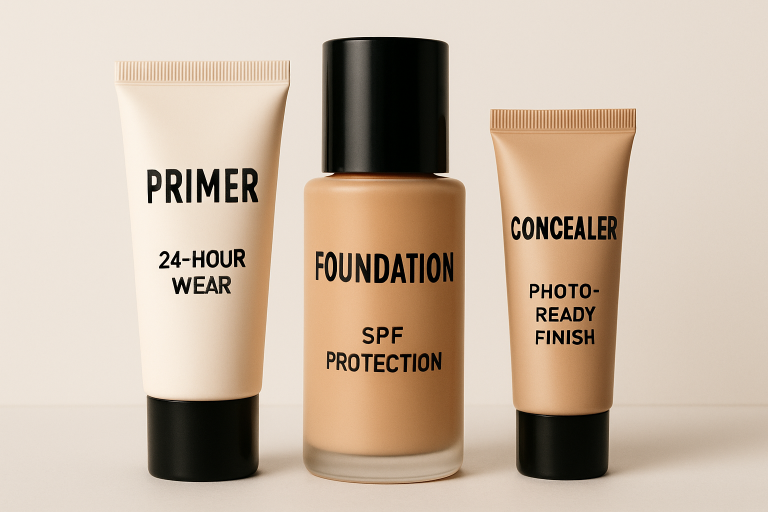
Product claims wield an enormous influence over consumers’ purchasing behavior. According to industry research, nearly every foundation shopper (99%) believes matching their skin tone is crucial—a testament to just how persuasive targeted claims can be. Whether boasting “photo-ready finish” or “oil control,” brands create a sense of certainty in a notoriously subjective category.
The effectiveness of these claims is amplified when backed by user data or clinical studies. Today’s well-informed consumer pays close attention to specifics—percentages of users who saw smoother skin, evidence from independent testing, and the ability to see before-and-after results. This transparent approach is often more meaningful than catchphrases alone, elevating trust while driving sales and brand loyalty.
But not all product claims are created equal. For companies, substantiating these claims has become a central priority, especially in an era of increased regulation and consumer skepticism. To remain competitive—and credible—brands are investing in both scientific studies and feedback mechanisms that ensure their assertions withstand public scrutiny.
Technological Advancements in Beauty
The beauty industry has embraced technology as a means to both innovate product formulas and revolutionize the shopping experience. Tools like LookFantastic’s AI-driven Foundation Finder have significantly reduced the uncertainty associated with online beauty shopping, delivering tailored recommendations that precisely match skin tone, undertone, and personal preferences—directly addressing common consumer pain points. During Black Friday, the retailer experienced a 159% increase in foundation sales, an impressive testament to the effectiveness of digital tools in building consumer confidence in product claims.
The introduction of augmented reality (AR) try-ons and machine-learning-powered shade matchers has also minimized trial and error, reducing the risk of buying products that underperform or don’t suit individual needs. These advancements empower shoppers to make choices that align closely with their expectations, reinforcing positive experiences and making brand commitments more meaningful.
Consumer Trust and Skepticism
With so many claims in circulation, it’s no surprise that shoppers have grown more discerning and, at times, skeptical. The divide between advertised results and real-world outcomes has led many to seek out detailed, peer-driven feedback. Consumers are increasingly turning to ingredient transparency, user-supplied photos, and long-form reviews to inform their choices, often prioritizing these insights over glossy marketing materials.
This trend has forced brands to step up—not only refining their formulas but also providing clearer evidence to support their claims. Beauty companies are embracing independent clinical testing and prominent testimonials as proof of efficacy, realizing that authenticity is as valuable as novelty. When products meet or exceed expectations, shoppers reward brands with trust and repeat purchases; when they fall short, skepticism only hardens. The balance between persuasive messaging and honest representation is now at the core of successful contemporary beauty marketing.
The Role of Social Media
Social media is now a primary battleground where beauty product claims are put to the test. Platforms like Instagram, TikTok, and YouTube are packed with tutorials, first-impression videos, and user-led investigations into whether a foundation lives up to its promises or if a concealer’s coverage is truly “crease-free.” Influencers and micro-influencers have become powerful gatekeepers, amplifying transparent experiences and swiftly calling out exaggerations.
Importantly, everyday users contribute as much weight as top creators. Unfiltered reviews, detailed wear tests, and “real skin” photos are considered highly credible, helping others cut through marketing noise. This crowd-sourced scrutiny means that brands can no longer rely solely on traditional campaigns—community feedback is a potent force shaping both reputation and sales.
Making Informed Decisions
Navigating today’s beauty aisles—or online shops—requires a critical mindset. Shoppers should combine independent research with an understanding of ingredient lists, certifications, and the nuances of clinical findings. Looking out for peer testimonials and using tools like AI-powered product selectors helps refine choices, especially when experimenting with new brands or formulations.
Ultimately, the wisest approach is to leverage all available information: transparent brand claims, peer reviews, technological innovation, and one’s personal needs. This multi-pronged strategy helps eliminate much of the mystery from complexion shopping—making every purchase an act of empowerment rather than a gamble.
Conclusion
Claims are more than just buzzwords in the beauty sector—they’re a reflection of ongoing conversations between brands and consumers. As technology and consumer expectations evolve, so too must the way we evaluate claims and select our complexion essentials. By focusing on credible evidence, embracing digital tools, and tuning into social feedback, shoppers can transform the way they discover—and truly enjoy—their primer, foundation, and concealer choices.