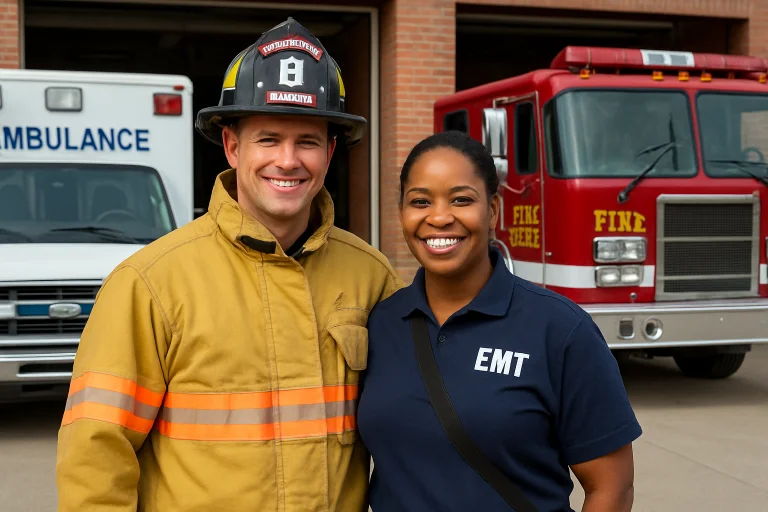
How to Start a Career in Fire and EMS
Embarking on a career in Fire and Emergency Medical Services (EMS) means stepping into a challenging, impactful, and rewarding field. Whether you aspire to become a firefighter, an EMT, or pursue a dual-track career, understanding the proper steps and qualifications can set you up for long-term success. If you’re eager to get started, specialized programs such as EMT training courses Texas offer essential training and certifications for aspiring emergency medical technicians.
Those considering this pathway should understand that dedication, physical and mental preparedness, and a willingness to pursue ongoing learning are key. Careers in fire and EMS are not only about technical skills, but also about a deep commitment to helping people in their time of greatest need. High-quality training programs and courses serve as excellent launching pads into the profession, equipping you with vital knowledge, hands-on experience, and mentorship.
From meeting basic education requirements to pursuing valuable certifications, every step in this journey builds a foundation for a future of service. Exploring volunteer opportunities and connecting with experienced firefighters or EMTs can provide invaluable on-the-job insights and networking prospects.
Alongside job satisfaction, working in fire and EMS offers stability, advancement potential, and the chance to make a meaningful difference in communities. Consider seeking details from leading organizations such as the National Fire Protection Association (NFPA), which provides valuable resources on fire service training and industry standards.
Education Requirements
Beginning your fire and EMS career generally starts with earning a high school diploma or GED. While this is the minimum requirement, taking courses in science, physical fitness, and emergency medical services can provide a strong academic foundation. Those interested in advancing further may consider pursuing an associate’s or bachelor’s degree in fire science, emergency management, or a related discipline to deepen their understanding of fire behavior, rescue tactics, and the science behind emergency response.
Gain Relevant Experience
Acquiring hands-on experience is crucial. Volunteering with your local fire department or EMS agency exposes you to real-world emergencies, teamwork, and the high-pressure environments unique to these fields. Programs like Fire & EMS Career Exploring are specifically designed to help youth and young adults learn about various roles within fire and emergency services in a structured, mentorship-based setting. Additionally, check your region for job shadowing opportunities or internship programs that provide deeper immersion into the profession.
Physical Fitness Preparation
Working in fire and EMS often requires quick response, heavy lifting, and working under strenuous conditions. Establishing a routine that builds cardiovascular endurance, muscular strength, and agility is critical. Prospective candidates should focus on a balanced fitness program emphasizing both strength training and aerobic exercise to meet the demands of entry assessments and on-the-job tasks. Guidance from national organizations, such as the U.S. Fire Administration, provides tips for fitness standards applicable to first responders.
Certifications and Training
Certification is essential for nearly all fire and EMS positions. Earning an Emergency Medical Technician (EMT) certification is a standard prerequisite, and many fire departments require this credential even before applying. EMTs are trained to provide life-saving care, and those interested in advancing further can pursue paramedic certification or specialized rescue training. Firefighter certification typically includes completing the Firefighter I and II courses, which prepare candidates for the complexities of the job, including fire prevention and hazardous materials management. The National Registry of Emergency Medical Technicians details national-level training guidelines.
Application Process
The process of joining a fire or EMS department can be competitive. Applicants begin by submitting comprehensive applications, followed by written exams, physical ability tests, and panel interviews. Many departments also require psychological evaluations and thorough background checks. Surefire and EMS agencies, such as the DC Fire & EMS Department, offer job interest cards, helping aspiring candidates stay informed about new openings and recruitment cycles. Persistence and attention to detail are vital throughout this process for securing your desired role.
Fire Academy Training
Upon being hired, recruit firefighters and EMTs attend fire academies to receive hands-on, structured education in fire suppression techniques, rescue operations, emergency vehicle operation, and hazardous materials control. Training culminates in nationally and state-recognized certifications. In addition to technical instruction, academies provide critical lessons in teamwork, leadership, and problem-solving—skills necessary for effective emergency response and career advancement.
Continuing Education
To progress within the fire and EMS sectors, ongoing education is essential. Pursuing higher educational paths, such as advanced degrees in fire administration, public safety, or health management, enhances leadership potential and opens opportunities for specialized roles and promotions. Attending conferences, workshops, and other professional development events keeps skills up to date as new regulations and technologies emerge. Leading publications, such as Firehouse Magazine, regularly feature trends and advancements in fire-based EMS continuing education.
Networking and Mentorship
Building connections with experienced professionals expands your knowledge and potential for advancement in fire and EMS. Networking through industry events, community workshops, or mentorship programs allows you to gain valuable advice, prepare for interviews, and hear first-hand about different career pathways. Many metropolitan departments publish resources and offer coaching to help candidates transition from applicant to full-fledged responder. Take advantage of offerings from your local fire associations and look for interview workshops to polish your presentation skills.
Launching a career in fire and EMS is a blend of structured preparation, physical training, and unwavering commitment to service. Use these steps to shape your future in a respected, dynamic, and essential profession, and remember to seek guidance from national and regional associations for resources throughout your journey.