How YouTube to MP3 Conversion Works
YouTube is one of the largest platforms for videos, music, podcasts, tutorials, and other audio-visual content. While streaming online is convenient, many users prefer to extract audio and convert it to MP3 format for offline listening, media projects, or personal collections. Understanding how YouTube to MP3 conversion works can help users make the process easier, more efficient, and safer.
This article provides a detailed explanation of YouTube to Mp3 conversion, including the technology behind it, step-by-step processes, practical uses, and best practices for safe and responsible use.
What Is YouTube to MP3 Conversion?
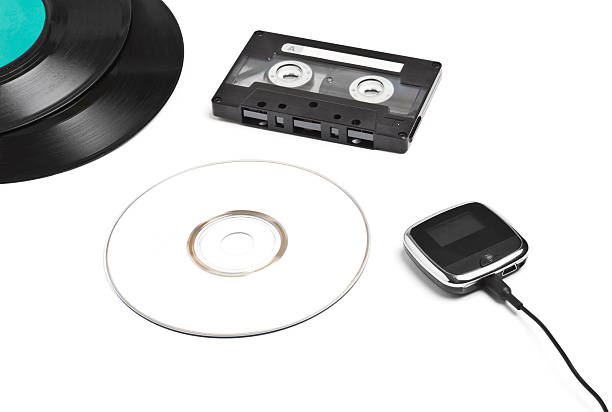
YouTube to MP3 conversion is the process of taking the audio from a YouTube video and saving it as an MP3 file. MP3 is a widely compatible audio format that works on most devices, from smartphones and tablets to laptops and MP3 players.
The conversion process allows users to:
- Listen to audio offline
- Build personal music or audio libraries
- Use audio in creative projects like videos, podcasts, and presentations
How the Conversion Process Works
Although different converters may use slightly different methods, the general process of converting YouTube to MP3 involves several key steps:
1. Video URL Extraction
The first step is identifying the YouTube video you want to convert. Users copy the URL of the video, which serves as the source for the audio extraction.
2. Video Download or Streaming Access
Some tools temporarily download the video or access its streaming data. This allows the converter to extract audio directly from the video file without permanently saving the entire video to the user’s device.
3. Audio Extraction
Once the video data is accessed, the converter isolates the audio track from the video stream. This involves separating the sound from visual elements while maintaining the original quality.
4. Audio Encoding
The extracted audio is then encoded into MP3 format. MP3 compression reduces file size while preserving most of the audio quality. Some converters allow users to choose bitrates, such as 128 kbps, 192 kbps, or 320 kbps, depending on the desired balance between quality and file size.
5. File Download and Storage
After encoding, the MP3 file is made available for download. Users can save the file to their device, organize it into folders, and play it on compatible devices.
Benefits of YouTube to MP3 Conversion
Offline Access
MP3 files allow users to enjoy music, podcasts, or lectures without internet connectivity. This is especially useful during travel, commuting, or in areas with limited access.
Device Compatibility
MP3 is a universal audio format, making it playable on nearly all devices without additional software or conversion.
Personal Media Libraries
Users can organize downloaded MP3 files into playlists, categories, or folders, creating a personalized media collection independent of streaming services.
Creative Applications
MP3 audio can be used as background music in videos, podcasts, or presentations, giving creators more flexibility than streaming content allows.
Cost Efficiency
Many YouTube to MP3 converters are free or low-cost, providing an economical way to access audio content without recurring subscription fees.
Practical Uses of YouTube to MP3
- Music and Entertainment: Build offline playlists of favorite songs and albums.
- Podcasts and Educational Content: Extract lectures, tutorials, and interviews for offline listening or study.
- Video Production: Use MP3 files as background tracks in video projects.
- Relaxation and Meditation: Download instrumental or ambient tracks for personal use.
- Creative Projects: Incorporate audio into presentations, social media content, or multimedia projects.
Legal and Ethical Considerations
While YouTube to MP3 conversion is convenient, it is essential to consider legal and ethical boundaries:
- Copyright Compliance: Only download content that is legally available, such as royalty-free or Creative Commons-licensed videos.
- Permission for Protected Content: Obtain authorization from creators before using copyrighted audio.
- Avoid Redistribution: Do not share or distribute MP3 files without permission.
Responsible usage protects both users and content creators.
Best Practices for Effective Conversion
- Use Trusted Converters: Choose reputable software or websites to avoid malware, intrusive ads, and security risks.
- Check Video Accessibility: Ensure the video is publicly available and not restricted in your region.
- Select Appropriate Bitrate: Higher bitrates provide better quality, while lower bitrates save storage space.
- Organize Files: Maintain folders and consistent naming for easy access to downloaded MP3s.
- Monitor Storage: High-quality MP3s can take up significant space, so plan storage accordingly.
Advanced Features in Modern Converters
Modern YouTube to MP3 tools often include advanced features to enhance the user experience:
- Batch Conversion: Convert multiple videos simultaneously.
- Metadata Tagging: Automatically label MP3 files with title, artist, and album information.
- AI-Based Optimization: Enhance audio clarity and reduce background noise.
- Mobile Optimization: Download directly to smartphones or tablets.
- Cloud Storage Integration: Store MP3 files online for access across multiple devices.
Conclusion
YouTube to MP3 conversion is a practical, flexible, and convenient way to access audio content for offline listening, creative projects, and personal media libraries. By understanding how the process works, choosing reliable tools, and adhering to legal and ethical guidelines, users can enjoy the benefits safely and efficiently.
From music and podcasts to lectures and instrumentals, converting YouTube videos to MP3 provides unparalleled flexibility, device compatibility, and control over personal audio content, making it an essential tool for anyone looking to maximize their digital audio experience.