Simple Ways to Support Faster and More Effective Hydration
Unlock Your Body’s Hydration Potential
Here’s something that might surprise you: drinking water constantly throughout your day doesn’t guarantee proper hydration. Most of us don’t have a water-drinking problem, we have an absorption problem. Your body’s actually struggling to take in all that H2O you’re pouring down.
The science backs this up. Dehydration amplifies thermal and cardiovascular strain, especially when you’re losing body water through sweat without adequate fluid replacement. So that perpetual brain fog and exhaustion?
Might not be fixed by another glass of plain water.
Faster hydration demands strategy, not just volume. We’re talking about science-backed approaches that transform how your cells actually receive and use fluids. The effective hydration tips we’ll cover work at the cellular level, where hydration truly happens.
Understanding the Science Behind Faster Hydration
Your intestines perform the real magic of hydration, but here’s the catch: they’re painfully slow without assistance. Plain water meanders from your digestive tract into your bloodstream at a leisurely pace. Ever wonder why downing a full bottle doesn’t instantly cure your thirst? Now you know.
The game-changer involves something scientists call osmolality. Think of it as the concentration level of dissolved particles in your drink. Water absorption skyrockets when you pair it with specific nutrients that function like microscopic transport vehicles, shuttling water molecules through your intestinal walls at remarkable velocity.
The Critical Role of Electrolytes
Here’s where sodium and glucose become your hydration heroes. Together, they construct a transport mechanism that drives water into your cells up to 70% faster than plain water manages alone. Medical researchers discovered this partnership decades back, completely revolutionizing our understanding of how the body processes fluids.
If you’re serious about looking to improve hydration efficiency, electrolytes aren’t some nice-to-have add-on. They’re absolutely essential. Many of the best electrolyte drinks, DripDrop being a prime example, leverage precise sodium-to-glucose ratios that medical professionals developed specifically to trigger this rapid absorption mechanism. Compare that to those sugar-loaded sports drinks obsessed with flavor instead of function.
Without sodium present, your body simply can’t absorb water effectively. Hospitals don’t use pure water IV bags for severe dehydration cases, they use electrolyte solutions. There’s your proof right there.
Temperature Matters More Than You’d Think
Cold water tastes incredible going down. But it actually sabotages how efficiently your system processes fluids. Study after study confirms that room temperature water, hovering around 55-60°F, gets absorbed considerably faster. Your digestive system doesn’t waste energy warming it up first, allowing quicker passage through your gut.
Ice-cold beverages temporarily constrict stomach blood vessels, creating a small absorption delay. Reserve the icy drinks for brutal summer days when core temperature cooling becomes priority number one. Otherwise? Slightly cool or room temp wins every time.
Pre-Hydration Strategies for Maximum Effectiveness
Waiting for thirst signals is like running your gas tank to empty before finding a station. Elite athletes cracked this code ages ago: strategic pre-hydration stops deficits before they ever begin.
That 2-hour window before demanding activities represents your prime opportunity. Consuming 16-20 ounces during this timeframe gives your system adequate time to process and distribute fluids evenly throughout.
Morning Hydration Rituals That Set Your Day
You’re already 1-2% dehydrated the moment you wake up after hours without any fluid intake. That first drink carries enormous weight for establishing your hydration baseline. Target 12-16 ounces within 30 minutes of waking, toss in a tiny pinch of Himalayan salt (roughly 1/8 teaspoon) to activate that sodium-glucose transport system we discussed earlier.
Lemon water on an empty stomach delivers vitamin C while citric acid moderately enhances mineral absorption. Keep it simple, just drink something before reaching for coffee.
Strategic Pre-Loading for High-Demand Days
When you know sweat’s coming, exercise, travel, or oppressive heat, front-load your hydration 2-3 hours ahead of time. Calculate approximately half your body weight in ounces, then drink that amount gradually. Someone weighing 150 pounds would aim for roughly 75 ounces distributed across the morning hours.
This technique (called hyperhydration) builds a fluid reservoir your body can access later. Just exercise restraint, drinking massive amounts too quickly overwhelms your kidneys, and you’ll simply urinate it all out. Wasteful and pointless.
Rapid Rehydration Techniques When You Need Results Fast
Already dehydrated? You need tactics that deliver results in minutes instead of hours. These approaches harness science to transport water where it belongs, immediately.
Oral Rehydration Solutions at Home
The World Health Organization’s formula isn’t glamorous, but clinical proof shows it rehydrates faster than anything else you can consume. Combine 6 teaspoons of sugar, 1/2 teaspoon of salt, and 1 liter of clean water.
That exact ratio triggers maximum sodium-glucose cotransport. Research shows hyperhydration can boost endurance capacity by 1.2%–21.6% in cycling and running exhaustion tests, while improving performance by 7.8% to 13.0% in cycling time trials under hot conditions.This homemade version costs literal pennies versus commercial products. Deploy it for hangovers, stomach bugs, or after brutal workouts when you’ve lost significant fluid volume.
The Hydration Cocktail Method
Combining multiple hydration accelerators produces synergistic effects that amplify results. Try this blend: 12 ounces of room-temp water, electrolyte powder or tablet, fresh lemon squeeze, plus 4 ounces of coconut water for natural potassium. This layered strategy addresses multiple absorption pathways at once.
Trace minerals like magnesium and calcium support cellular hydration beyond sodium’s contributions. They often get overlooked despite playing crucial supporting roles in maintaining proper fluid balance inside your cells.
Food-Based Hydration Strategies
Cucumbers contain 96% water, watermelon hits 92%, these aren’t merely snacks, they’re legitimate hydration tools. The advantage? Food releases water gradually as digestion occurs, delivering sustained hydration that outlasts drinking water alone by hours. Lettuce, strawberries, and celery all exceed 90% water content.
Broths and soups marry water with naturally occurring electrolytes, making them excellent during illness recovery when plain water seems unappealing. Just monitor sodium content in store-bought versions.
Testing Your Hydration Status
Guessing your hydration level rarely works. Simple tests eliminate the guesswork, revealing exactly where you stand.
Simple Self-Assessment Methods
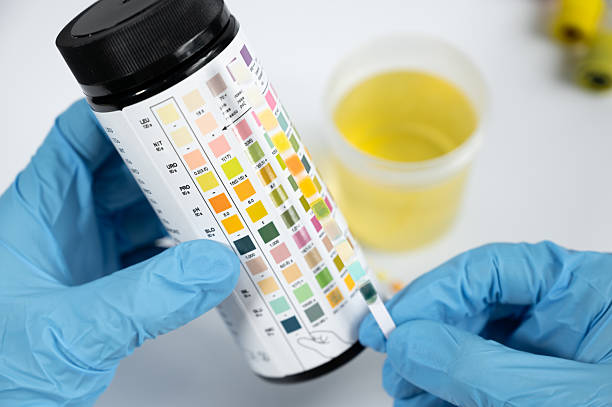
Beyond urine color (pale yellow signals good hydration), try the skin turgor test. Pinch skin on the back of your hand, instant snapback means you’re well-hydrated.
Slow return indicates dehydration. Weigh yourself pre- and post-exercise to calculate sweat loss. Every pound dropped equals approximately 16 ounces of fluid requiring replacement.
Morning weight fluctuations exceeding 2-3 pounds frequently signal dehydration from the previous day. Track this pattern for a week to establish your personal baseline numbers.
Creating Your Daily Protocol
How to hydrate quickly depends on grasping your individual requirements, which fluctuate based on body weight, activity intensity, and climate conditions. A basic formula: divide your weight in pounds by two, that’s your minimum daily ounces. Add 12 ounces for every 30 minutes of exercise performed.
The best ways to stay hydrated involve consistent sipping instead of sporadic chugging sessions. Your kidneys can only process about 27-33 ounces hourly, so spacing intake prevents system overload. Set hourly reminders if forgetting becomes an issue, habit stacking works brilliantly here. Link hydration to existing routines like checking email or standing up from your desk.
| Hydration Method | Absorption Speed | Best For | Key Benefit |
| Plain Water | 45-120 minutes | Baseline hydration | Zero calories |
| Electrolyte Solution | 15-45 minutes | Post-exercise | Rapid absorption |
| Coconut Water | 30-60 minutes | Mild dehydration | Natural minerals |
| ORS Formula | 15-30 minutes | Acute dehydration | Medical-grade |
| Water-Rich Foods | 2-4 hours | Sustained hydration | Nutrient-dense |
Common Questions About Hydration
What’s the absolute fastest way to rehydrate?
Oral rehydration solutions using proper sodium-glucose ratios absorb in 15-20 minutes, activating your intestinal transport system for maximum velocity. IV hydration works faster but demands medical settings.
Can I hydrate too quickly?
Absolutely, consuming more than 27-33 ounces hourly can trigger water intoxication, diluting essential electrolytes to dangerous concentrations. Steady sipping beats chugging large volumes at once.
Why do I still feel dehydrated after drinking lots of water?
You’re likely experiencing electrolyte imbalance from excessive plain water without sodium. Your cells require electrolytes to actually retain that water, otherwise it passes straight through your system.
Making Hydration Automatic
Faster hydration doesn’t demand complicated routines or expensive products. Begin with these fundamentals: drink room-temperature water with a pinch of salt first thing each morning, keep water visible at your desk or in your vehicle, and pair high-water foods with every meal. These simple shifts compound dramatically over days and weeks.
The gap between chronic dehydration and optimal hydration frequently boils down to small, consistent actions instead of dramatic lifestyle overhauls. Your body sends clear signals when you’ve dialed it in, more energy, sharper thinking, and that nagging thirst finally satisfied. Listen to those signals, then adjust accordingly.