Smart Lease Buyout Decisions for Better Financial Control
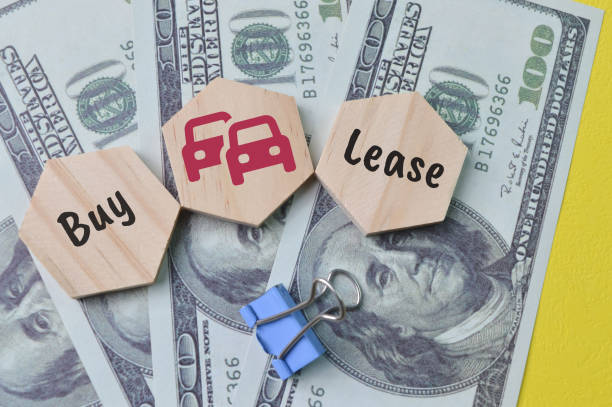
Making the right lease buyout decision can shift an entrepreneur from reactive spending to deliberate financial control. For online business owners, agencies, and ecommerce operators who rely on vehicles for deliveries, client visits, or as part of a small fleet, the choice to buy out a lease is both operational and financial, which is why many turn to Lease Maturity Services for guidance. This article walks through when a buyout makes sense, how to evaluate the numbers, timing and negotiation strategies, practical steps to close the deal, and special considerations for business owners who need cashflow predictability and scalable operations.
Why Lease Buyout Decisions Matter For Your Financial Control
Lease buyout decisions matter because they convert an uncertain, time-bound liability into a predictable asset or expense. Many entrepreneurs treat leased vehicles like interchangeable tools, return at term, take a new lease, without running the math. That approach hides several financial levers:
- Predictable monthly payments versus lump-sum or financed ownership costs.
- Tax treatment differences for leased versus owned vehicles (deductions, depreciation).
- Resale or trade-in value potential if the vehicle is retained and later sold.
For an agency or ecommerce operator, vehicle-related decisions ripple through cashflow, bookkeeping, and client service reliability. Choosing to buy out a lease can reduce long-term cost, retain a well-maintained vehicle that fits operations, and avoid disruption during busy seasons. Conversely, an ill-timed or poorly financed buyout can strain liquidity and hurt credit. Treating the buyout as a business investment, not an emotional choice, allows leaders to maintain tighter financial control and improve predictability across monthly budgets and growth plans.
When Buying Out A Lease Makes Financial Sense
Deciding to buy out a lease isn’t a one-size-fits-all call. The following three subtopics help clarify when the numbers and circumstances align for a buyout.
Market Value vs. Residual Value
The core comparison is market value (what the car would sell for today) versus the lease residual buyout price (the contract price to purchase at term). If market value exceeds the residual by a comfortable margin, buying out can create immediate equity, especially useful for owners who plan to keep the vehicle or sell it privately for a higher price.
Examples relevant to online businesses:
- A delivery van in high demand in a local market may command a premium: buying at residual below market can be profitable.
- Specialty vehicles equipped for business (wraps, racks) may have niche value that dealers don’t fully price, making private sale potential higher.
Mileage, Wear‑And‑Tear, And Operational Fit
Leases penalize excess mileage and damage. If a business has exceeded lease terms or expects continued heavy use, buying out can avoid steep end‑of‑lease charges. In contrast, when the vehicle has cosmetic or mechanical problems beyond repair costs, returning and leasing a replacement might be wiser.
Operational fit matters: if the vehicle is optimized for the business, branding, modifications, or specific upfitting, a buyout preserves that value. Replacing such a vehicle often means additional conversion costs and downtime.
Emotional Vs. Economic Reasons To Keep The Vehicle
Owners sometimes hold on for sentimental reasons, a reliable car, long-term familiarity, or a lease that feels “comfortable.” Decision-makers should separate emotion from economics. If keeping the vehicle aligns with a clear financial rationale (lower total cost, strategic fit), proceed. If it’s mostly an emotional preference, it’s worth revisiting the math or exploring short-term alternatives like a short-term extension or leasing a replacement.
How To Evaluate The Numbers: A Practical Framework
A structured, repeatable evaluation prevents costly impulse decisions. This framework focuses on total cost, financing, and a quick break‑even analysis for business users.
Calculate Total Buyout Cost (Price, Fees, Taxes)
Start with the stated residual buyout price on the lease contract. Add:
- Sales tax (state or local rules vary for leased buyouts).
- Title and registration fees.
- Any outstanding wear‑and‑tear or excess mileage charges if applicable.
- Dealer or administrative buyout fees.
This total is the cash required to convert the lease into ownership. For many entrepreneurs, the first filter is comparing this total to the vehicle’s market value and the cost to buy an equivalent used vehicle.
Compare Financing Options And Interest Scenarios
If paying cash isn’t practical, compare financing options:
- Dealer or captive financing often advertises attractive rates but can include hidden fees.
- Bank or credit union loans may offer competitive terms and quicker approvals for existing customers.
- Business loans or lines of credit can preserve working capital but may carry higher rates.
Model at least two interest-rate scenarios (best case, likely case) and compare the monthly payment and cumulative interest against continuing to lease or buying a replacement.
Quick Break‑Even And Cashflow Analysis For Business Owners
For business owners, the useful metric is often cashflow impact rather than pure profit. Calculate:
- Monthly outflow under current lease versus financed ownership.
- The time to recoup added acquisition costs through lower monthly payments or avoided end‑of‑lease penalties.
Example: If buying out and financing produces a monthly payment $150 lower than a new lease, and the buyout closes out potential $3,000 end‑of‑lease penalties, the break‑even horizon is short, an attractive outcome for tight cashflow operations.
Timing And Strategies To Maximize Buyout Value
Timing and negotiation can swing a buyout from mediocre to smart.
Early Buyout Vs. End‑Of‑Term: Pros And Cons
Early buyout pros:
- Lock in a known price before market prices rise.
- Avoid continued lease payments when business needs change.
Cons:
- Early termination or buyout often includes penalties or remaining payments.
- Missed opportunity if market values fall.
End‑of‑term pros:
- Full knowledge of residual and mileage charges.
- Opportunity to negotiate with dealer who wants inventory.
End‑of‑term cons:
- Potential for surprise fees and higher market prices.
Choose based on the business’ cash position and risk tolerance. Seasonal businesses, for instance, may avoid end‑term returns during peak delivery months to prevent disruption.
Negotiation Tips And When To Ask For A Lower Buyout
Negotiation is underused. Tips:
- Research comparable private-party and dealer prices and present them.
- Ask the leasing company if they’ll match current wholesale or auction values, some will lower the buyout if market conditions favor them.
- If the vehicle has been part of a long-standing relationship with a dealer or captive lender, leverage loyalty for better terms.
When to ask: If market comps are lower than the residual, or if the car has mechanical or cosmetic issues that lower its value.
Alternatives: Trade‑In, Private Sale, Or Returning The Car
Alternatives should be compared head-to-head:
- Trade‑in may yield dealer convenience and tax advantages in some states, but typically lower net proceeds.
- Private sale often yields the highest price but requires time and effort.
- Returning avoids purchase obligations but risks excess mileage and damage charges.
For time-strapped operators, trade‑in or dealer-mediated private sales reduce friction: for those with capacity, private sale maximizes cash recovery.
Practical Steps And A Decision Checklist
Concrete steps reduce errors during the buyout process. The checklist below guides owners from verification to post‑buyout operations.
Confirm Buyout Figures And Inspect The Vehicle
- Request a written buyout quote with an expiration date.
- Verify fees, taxes, and any outstanding charges.
- Conduct a thorough inspection or third‑party mechanical check: document wear and mileage.
Financing Application, Paperwork, And Closing Steps
- Prequalify for financing to know rates and terms.
- Gather lease contract, proof of insurance, business documents (EIN, articles) if financing through a business loan.
- Confirm title transfer timing, registration process, and any lien procedures required by the lender.
Post‑Buyout Operations: Insurance, Registration, And Resale Prep
- Update or convert commercial insurance to reflect ownership and any business-use coverages.
- Re-register the vehicle in the business name if appropriate.
- If resale is planned, invest selectively in cosmetic fixes that raise private-sale value more than their cost (detailing, minor dents).
Special Considerations For Online Business Owners And Agencies
Online entrepreneurs and agencies face unique constraints, time scarcity, cashflow sensitivity, and the need to scale efficiently.
Tax Treatment, Deductions, And Accounting For Business Use
Owning versus leasing changes tax mechanics:
- Lease payments are typically deductible as a business expense to the extent of business use.
- Buying introduces depreciation schedules (MACRS) and potential Section 179 or bonus depreciation where applicable, altering upfront and ongoing deductions.
They should consult an accountant to model tax outcomes: ownership might increase depreciation deductions but reduce immediate expense flexibility.
Impact On Cashflow, Credit, And Scaling A Small Fleet
A buyout ties up capital or increases monthly debt service. For a growing ecommerce business building a fleet, that can constrain expansion. On the flip side, ownership reduces recurring lease renewals and gives negotiation leverage when scaling multiple vehicles.
Credit impact matters: adding financed purchases affects debt‑to‑income and borrowing capacity: staggered purchases or using a business line of credit can smooth the effect.
Operational Alternatives For Time‑Strapped Entrepreneurs
If time is the limiting factor, options include:
- Delegating the buyout process to a trusted finance manager or virtual assistant.
- Engaging a dealer or broker to handle sale/transfer logistics for a fee.
- Using short-term rental or subscription services during transition periods to avoid downtime.
Conclusion
A smart lease buyout decision balances market facts, cashflow realities, and operational fit. For online business owners and agencies, the right choice can improve financial control, reduce unexpected costs, and support scalable operations. The practical framework, calculate total cost, compare financing, run a break‑even, and inspect alternatives, keeps the decision objective. Where time or expertise is limited, delegating the transaction or consulting a finance professional preserves focus on core business activities while still capturing potential savings. Eventually, treating a lease buyout like a business investment, not an emotional choice, lets leaders lock in better financial control and predictable outcomes.