What Really Happens After a Motorcycle Crash and Why the System Feels Stacked
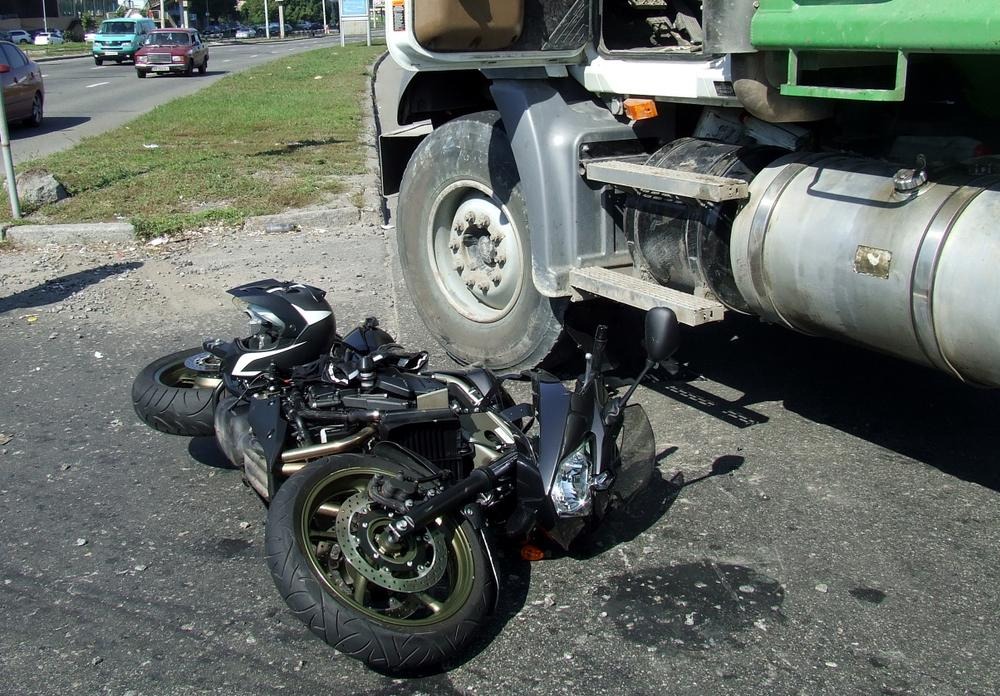
The road does not judge vehicles equally. A motorcycle carries freedom, speed, and skill, but it also carries a quiet weight that follows riders after a crash. Long before facts are fully reviewed, opinions often form. Those opinions shape reports, insurance reviews, and claim decisions in ways many riders never expect.
That difference in treatment is subtle at first, yet it grows louder as the process moves forward. Here, the gap begins, and this is why riders often feel the system pushing back harder than it should.
If the process feels confusing or unfair, the sections ahead explain why that happens and how to face it with clarity.
Motorcycle Accidents Enter a Different Legal Category
Motorcycle crashes are often placed in a separate mental box from car accidents. They are seen as risky by default, even though many riders follow the rules closely. This label affects how cases are handled from the start. Reports may focus more on rider actions, and early insurance reviews may look for reasons to question fault.
In these moments, access to legal help for bike crash victims becomes part of understanding how the system works rather than a reaction to conflict. The difference lies in how motorcycles are perceived, not just in how crashes occur.
Bias and Assumptions About Rider Responsibility
Motorcycle riders often face judgments that other drivers rarely encounter. Even before the facts are fully examined, assumptions can influence how a crash is viewed. Speed is commonly cited as a factor, even if the rider was following the limit. Questions about visibility or lane positioning can arise on perfectly clear roads. Attention sometimes shifts to the rider’s protective gear instead of examining the actions of other drivers involved.
These preconceived notions can shape discussions about fault long before evidence is carefully considered. Riders may feel like they are constantly defending themselves rather than having their case fairly assessed.
While these biases are rarely intentional, they still impact claim outcomes. Understanding this dynamic helps riders anticipate added scrutiny and prepare their case more effectively.
How Injury Severity Changes Claim Scrutiny
Motorcycle injuries tend to be more serious, and that changes the tone of a claim. Higher medical bills bring closer review. Longer recovery periods raise questions about the necessity and duration of care. Insurers may respond with delays or repeated requests for records. Serious harm does not always lead to faster support.
Instead, it can trigger doubt and resistance. Riders must show not only that injuries exist but also that every step of treatment was needed and reasonable.
Insurance Coverage Complications Riders Face
Motorcycle claims often involve more than one policy. Coverage may depend on who caused the crash, how the motorcycle was insured, and what limits apply. Insurers may disagree about responsibility, which slows progress. Riders can find themselves waiting while companies sort out details behind closed doors.
This back and forth creates pressure and uncertainty. Understanding how coverage layers interact helps riders stay grounded while the process unfolds.
Evidence Carries More Weight in Motorcycle Claims
Evidence matters in every injury case, but it carries extra weight for riders. Clear timelines, detailed medical records, and accurate reports become essential. Small gaps can weaken a claim quickly.
Riders are often expected to prove more, even when fault seems obvious. Strong documentation keeps the focus on facts rather than assumptions. Preparation helps balance the scales in a system that often leans away from motorcycles.
Understanding Legal Protection After a Motorcycle Crash
Injury law provides structure during a confusing time. It sets deadlines, defines proof, and outlines what compensation may cover. Riders may seek support for medical care, lost income, and limits placed on daily life. These categories help keep discussions grounded in real impact rather than opinion.
The law does not erase bias, but it creates a framework that demands accountability. Knowing how this framework works allows riders to protect their position with confidence.
Common areas considered in motorcycle injury claims include:
- Medical treatment costs both current and future.
- Income is affected during recovery.
- Physical pain and limits on normal activities.
These areas guide conversations toward fairness rather than guesswork.
The Bottom Line
Motorcycle accidents start a legal process that runs alongside physical recovery. Each step builds on the one before it, from early records to final resolution. Injury law responds to preparation and patience, not speed. Riders who understand this difference are better equipped to protect themselves.
For those seeking clarity and balance, legal help for bike crash victims offers a way to navigate the system without losing focus. Fair recovery comes from informed choices, steady documentation, and knowing that different treatment does not mean accepting less.