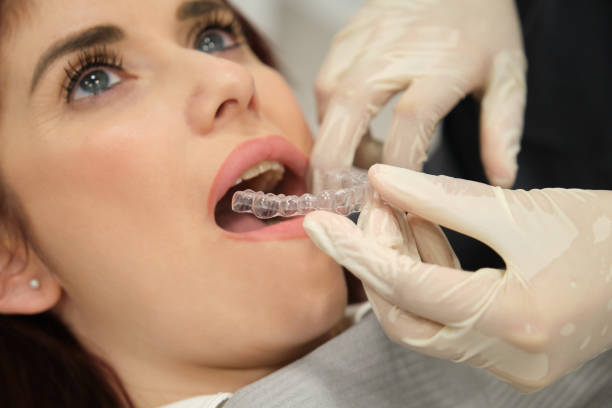
Why Dental Coverage Matters for Veterans
Oral Health and Veterans: The Overlooked Connection
The importance of oral health extends far beyond a bright smile—it is fundamental to overall physical health, nutrition, communication, and confidence in social settings. For veterans, unique challenges faced during their service, such as exposure to stressful environments, inconsistent access to care, and combat conditions, put them at greater risk for dental problems compared to the general population. Veterans demonstrate higher rates of untreated dental issues, accentuating the need for specialized attention to their oral health.
Many veterans struggle to regain consistent dental care after leaving the military, especially when their VA benefits offer only limited coverage or none at all. Having dental insurance for veterans is vital, helping bridge gaps in coverage that often lead to postponed treatment and preventable complications. Accessible dental coverage makes a measurable difference in long-term health outcomes, ensuring that essential oral healthcare isn’t delayed or neglected due to financial barriers.
Common Barriers Veterans Face in Dental Care
Veterans encounter many obstacles when it comes to maintaining regular dental care. One prominent issue is the loss of comprehensive coverage upon leaving active service—most VA dental benefits are restricted to veterans with specific service-connected disabilities or circumstances. Factors like limited household income, unreliable transportation, and lack of awareness about available dental programs can further hinder access. Oral health is seldom prioritized within post-service health support, leaving significant gaps directly impacting physical and mental well-being.
Top Reasons Dental Coverage Matters for Veterans
- Maintaining Basic Function: Dental health affects the ability to eat a varied and nutritious diet. Missing or painful teeth make chewing and digesting food appropriately challenging, potentially causing further health issues.
- Supporting Mental Health: Chronic oral pain, tooth loss, or visible dental issues can decrease confidence, increase isolation, and worsen depression or anxiety for veterans adjusting to civilian life.
- Reducing Healthcare Costs: Comprehensive dental coverage encourages preventive care, allowing problems to be caught early. Early intervention is nearly always less expensive and invasive than emergency procedures for severe decay or infection.
- Enhancing Quality of Life: Oral health directly affects comfort, communication, and social interactions—contributing to better relationships and overall life satisfaction.
As dental problems can often be silent until they advance, a lack of dental coverage may discourage veterans from visiting the dentist until a crisis, usually resulting in more complex and expensive care. Expanding dental coverage for veterans, including improved awareness about benefit options and access to dental networks, is recognized as a crucial part of supporting their reintegration and ongoing well-being.
Health Risks of Untreated Dental Problems
Untreated dental issues can have far-reaching health consequences. Chronic infections, such as gum disease, have been associated with an increased risk for heart disease, stroke, and complications in diabetes—conditions already prevalent among many veteran populations. Severe oral pain or dental abscesses, left unchecked due to lack of coverage, sometimes result in emergency room visits or hospitalizations. These situations jeopardize health and quality of life, place additional strain on the broader healthcare system, and raise overall costs.
How Affordability and Access Can Change Outcomes
Affordability remains a central obstacle for many veterans, even those with some level of VA dental benefit. Out-of-pocket expenses for preventive visits, restorations, or emergency treatment can be prohibitive, especially for individuals living on fixed incomes. Quality dental insurance reduces these costs substantially, encourages timely care, and often includes access to extensive provider networks. Veterans with dental insurance are significantly more likely to make routine dental visits—and experience better oral health outcomes—than their uninsured peers.
The Power of Preventive Dental Care
Preventive care—from routine dental cleanings to x-rays—is essential in keeping teeth and gums healthy. These services help catch potential problems early, before they require costly or invasive treatment. For veterans, preventive dental care can reduce missed days from work, lower the risk of secondary health complications, and improve overall quality of life. Strong preventive care habits, backed by adequate coverage, lead to fewer oral health emergencies and lower healthcare costs overall.
Resources for Veterans Seeking Dental Coverage
Several avenues exist for veterans to secure affordable and effective dental coverage. Eligibility for comprehensive VA dental benefits is often tied to specific service-connected conditions or disabilities, but other options are available for those who do not qualify. Many organizations—including local clinics and nonprofit groups—offer low-cost or reduced-fee dental services for veterans. Exploring VA and private programs, understanding the process to qualify, and proactively seeking information are key to ensuring ongoing oral health. Veterans can begin their search by checking official VA dental resources and reputable Federal and community dental initiatives.
Final Thoughts
Oral health is a cornerstone of a veteran’s well-being, personal dignity, and daily quality of life. Adequate dental coverage empowers veterans to stay proactive about their health, catch problems early, and avoid preventable complications. Given the unique barriers veterans face, prioritizing accessible dental insurance and harnessing available resources isn’t just beneficial—it’s essential. With the right coverage and regular care, every veteran can enjoy the confident smile and good health they richly deserve.